Key Takeaways
RV owners have two main options for rv repair: calling a mobile rv repair technician who comes to your location, or bringing your rig to a fixed rv service center. Mobile service is faster for routine and mid-level issues, while service centers handle major repairs like collision work and full roof replacements.
Timely rv maintenance on your roof, slide outs, water heaters, electrical systems, and plumbing prevents costly breakdowns and helps protect your extended warranty coverage from denied claims.
Mobile rv service brings certified mobile technicians directly to your driveway, campsite, or storage lot. Over 2,500 mobile techs are available nationwide, and roughly 40% of issues are solved on the first call.
Choosing a trustworthy rv repair provider means checking certifications like RVTAA or ASE, reading reviews on platforms like Google and Yelp, confirming warranty policies, and asking for clear pricing before any work begins.
Most modern RVs built after 2010 combine automotive and living quarters systems with complex electrical and plumbing layouts, making DIY risky for anything beyond minor routine maintenance.
Introduction: How RV Repair Service Keeps You On the Road
Picture this: it’s June 2026, your family is three days into a trip to Yellowstone, and the rooftop A/C unit stops cooling at a campground in east Tennessee. The temperature inside your travel trailer climbs past 90°F. You need a fix fast, not a six-week waiting list at a dealer hundreds of miles away. This is where reliable rv repair service makes the difference between a ruined vacation and a minor hiccup.
RV repair service covers all professional work done on your rig’s living systems: electrical troubleshooting, plumbing, HVAC, water heaters, roof seals, slide outs, appliances, and body repairs. RVs are unique because they combine automotive and living quarters systems, each requiring specialized repairs from knowledgeable technicians. Whether you schedule a visit to a traditional service center or call a mobile rv repair technician who meets you on site, understanding your options helps you get back on the road without overpaying or losing precious trip days.
This guide walks you through mobile rv service versus in-shop repairs, common services, pricing, routine maintenance schedules, warranties, and how to choose a provider you can trust across America.
Mobile RV Repair vs. RV Service Center: Which Is Best for You?
The core decision every RV owner faces is whether to call mobile technicians or haul the rig to a shop. Both options have clear strengths depending on the situation.
Why mobile rv repair works well:
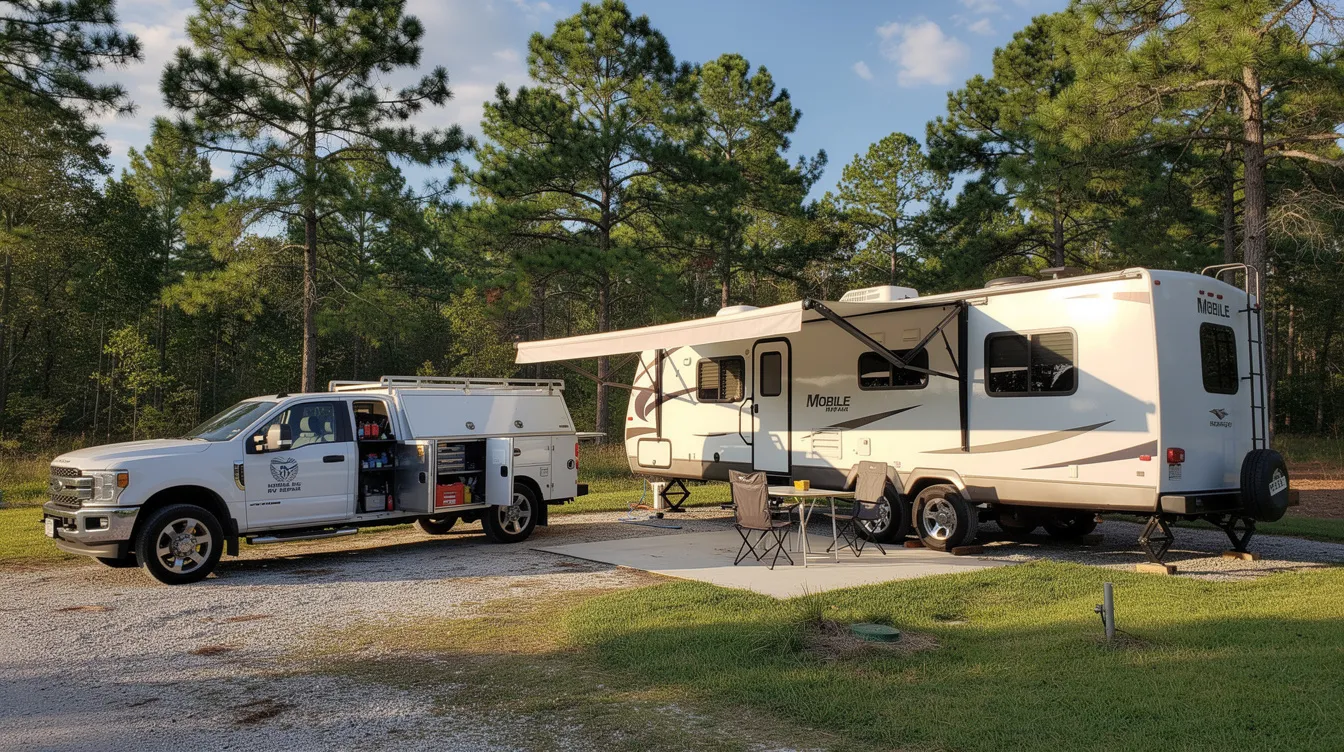
A technician drives a truck loaded with tools and common parts to your campground, storage lot, or driveway, eliminating towing costs and transport hassle.
Mobile service is 3x faster than traditional service in many cases. Mobile techs can often schedule within 1–2 days during off-peak periods, compared to 3–8 weeks at busy dealerships. Mobile RV repair can save days of dealer drop-off.
Ideal for full-timers, snowbirds wintering in Texas or Arizona, and anyone with a non-drivable rig. Mobile RV technicians can often diagnose and repair issues on-site, and you can use specialized directories and apps to find mobile technicians who work onsite, including convenient mobile RV repair services in Tucson, AZ.
Mobile technicians average 20+ years of experience. Many are RVTAA-certified for quality service.
Why a service center makes more sense sometimes:
Heavy equipment like lifts and frame jigs is needed for roof replacements, collision repair, and axle or suspension work.
Manufacturer warranty work and recalls often require an authorized service center with access to OEM parts and direct billing.
Complex diagnostics involving multiple interconnected systems benefit from shop tools, lift bays, and multiple specialist techs working together.
Quick decision guide: Choose mobile service for slide-out adjustments, awning repair, water heater troubleshooting, furnace ignition problems, minor roof leaks, electrical and plumbing diagnostics, and appliance issues. Choose a service center for structural damage, bodywork after accidents, full roof replacement, frame alignment, complex generator rebuilds, and major repairs to the chassis or drivetrain. The average repair event cycle time at dealerships is about 34 days, so factor that into your decision.
Common RV Repair Services: What Technicians Actually Fix
Most rv service calls in 2024–2026 involve a handful of systems. Different types of repairs often require different specialized technicians, and many RV repair shops specialize in both automotive and “house” systems. Common services offered by RV repair shops include electrical diagnostics and plumbing repairs alongside chassis maintenance. Here are the main categories:
Electrical systems: Technicians offer electrical system troubleshooting and repairs covering 12V and 120V circuits, converter and inverter failures, dead batteries, shorts, blown fuses, and non-working outlets or lighting. Wiring problems in modern rigs with inverters and solar integration can be especially tricky.
Plumbing and water: Plumbing services include water heater and pump repairs. Techs also fix leaks at joints, clogged lines, frozen pipes, and issues with faucets, toilets, and pumps. Both gas and electric water heaters are common service items.
HVAC and comfort: Appliance repairs cover refrigerators, A/C units, and furnaces. Roof A/C compressor failures, furnace ignition problems, thermostat malfunctions, and poor ducting performance keep technicians busy year-round.
Slide-outs and leveling: RV repair includes slide-out adjustments and roof work. Stuck slides, binding rails, faulty motors, hydraulic leaks, and leveling jack failures all fall here.
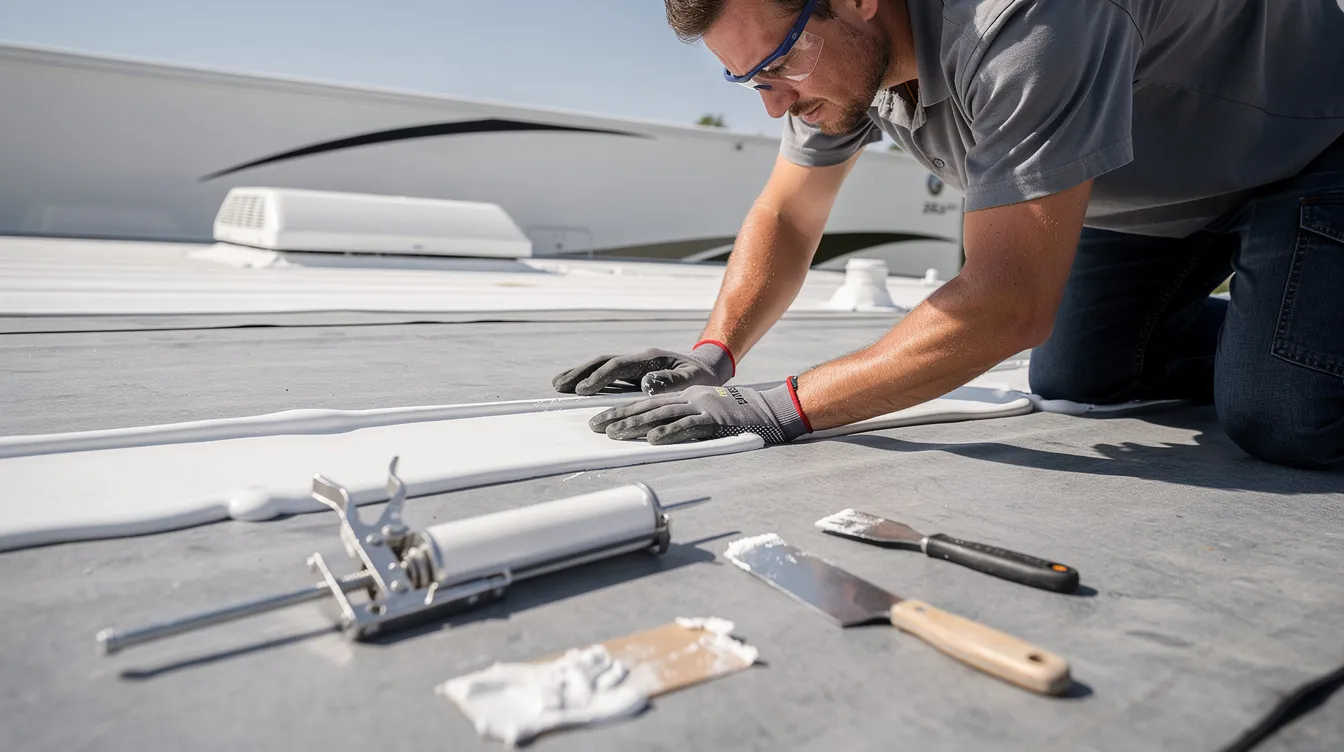
Roof, seals, and exterior: Roof seam resealing, small leak repairs, awning tears, ladder and trim repair, and hitches inspection.
Both mobile rv repair and service centers routinely handle water heaters, refrigerators, furnaces, and air conditioners. Large collision or frame repairs usually require a shop. Typical exclusions at many providers include engine or drivetrain work, roadside towing, and some residential-style appliances or complex generators. Always confirm in advance whether your specific appliance brand (for example, Dometic, Norcold, Lippert, or Truma) is supported and whether warranty work can be billed directly. Confirm if the repair shop is authorized by the RV manufacturer for warranty work.
Routine RV Maintenance: Preventing Breakdowns Before They Happen
Routine maintenance is far cheaper than an emergency repair at a remote campsite on a holiday weekend when every person with a phone is calling for assistance. Annual inspections help maintain RV safety and performance, and certified technicians perform multi-point inspections for RVs to catch issues early.
Key rv maintenance tasks and intervals:
Roof inspection and resealing: Annually, or every 90 days under heavy use. Most leaks originate from roof penetrations around vents, AC bases, and plumbing stacks.
Wheel bearings and brakes: Service every 12 months or 10,000 miles for towable units. Brakes on motorhomes should follow chassis manufacturer schedules.
Generator service: Oil change, air filter, and spark plugs every 100–150 hours of run time.
Water heater care: Flush the tank, check anode rods (steel-tank models), and remove scale each season.
A/C and furnace prep: Clean coils, replace filters, and test thermostat controls before summer travel. Schedule this by May 2026 for the upcoming hot season.
Routine maintenance also includes oil changes and tire rotations on the chassis side, plus winterization to protect RV plumbing from freezing temperatures.
Mobile rv service appointments can bundle several routine maintenance tasks into one visit at your location, saving multiple trips to a shop. Keep dated records of every service in a logbook or app. This supports manufacturer and extended warranty claims and increases resale appeal. Plan spring prep before Memorial Day and fall winterization in October or November in northern states. Yearly inspections done on schedule are your best insurance against surprise breakdowns.
Lippert Factory Service provides RV repairs in Memphis, TN, including on-site repairs at local campgrounds. Blue Compass RV in Reno offers free multi-point inspections and is open Monday to Saturday. Reno’s elevation creates unique challenges for RVs, making location-specific expertise valuable, just as mobile RV repair services in Marana, Arizona and local mobile RV repair in Tucson, AZ address region-specific needs in the desert Southwest.
Warranties, Extended Warranty & Insurance: How RV Repair Is Paid For
RV repair work is typically covered three ways: out of pocket, manufacturer warranty, or a third-party extended warranty or service contract. Insurance steps in for collision, hail, or storm damage.
Manufacturer warranty basics: New RVs (2023–2026 models) generally come with a 1–3 year limited warranty covering appliances, electronics, and plumbing, plus a longer structural warranty. You must use authorized service centers or approved mobile technicians and follow routine maintenance schedules to avoid denied claims. A trustworthy RV repair shop will provide clear written estimates and warranties on labor.
Extended warranty considerations: These plans often cover big-ticket items like refrigerators, slide motors, air conditioners, and water heaters. Call the contract administrator before repairs so the rv repair provider can obtain pre-authorization. Choose a service center or mobile rv repair company that works directly with extended warranty and insurance companies to reduce your paperwork.
Insurance claims: For collision, hail, or tree damage, an RV service center coordinates estimates and photos with the insurer. Know your coverage and deductibles. Sometimes insurance may require work at an authorized shop.
Keep copies of purchase documents, warranty booklets, and service invoices stored both physically and in a cloud folder accessible from your phone so they’re available even when you’re far from your home address. Ask for a written estimate before work to avoid surprise costs.
Understanding RV Repair Pricing & How to Budget
RV repair pricing varies by region, season, and whether you use a mobile rv repair technician or a large service center. Here are common structures:
Diagnostic or mobile service fee: A flat rate covering travel, truck, tools, and initial assessment. Often $100–$200 depending on distance.
Hourly labor: Between roughly $125 and $200+ per hour at many U.S. locations. Independent mobile technicians sometimes charge less for basic work.
Parts pricing: OEM components typically cost more than aftermarket but may be required for warranty work. Prices can vary significantly by brand and availability. Taxes apply to parts in most states.
Example ranges (2025–2026, not quotes): A simple water heater ignition issue might be resolved within one hour. Larger jobs like roof leak tracing and reseal can take several hours or multiple visits. A full roof replacement averages $5,000–$7,000 for common travel trailers. Upgrades to premium membrane systems run higher.
Ask for an upfront estimate and scope description. Request clarification on travel surcharges for rural or out-of-area calls. Get written approval steps if costs will exceed a set limit. Build an annual rv maintenance and repair budget by setting aside a small percentage of your RV’s value each year, especially for rigs older than 8–10 years.
How to Choose a Reliable RV Repair Service or Mobile Technician
Modern RVs integrate 120V power, propane, and water systems in tight spaces, so choosing qualified professionals matters. Many RV repair shops specialize in both automotive and “house” systems, and certifications like RVTAA or ASE ensure technicians are qualified.
Key factors to evaluate:
Certifications: Look for RVTI, RVTAA, ASE, or manufacturer-specific training from brands like Lippert, Dometic, Truma, Norcold, or Victron. Certified technicians bring the expertise to diagnose complex systems safely.
Experience with your RV type: Whether you own a travel trailer, fifth wheel, Class A/B/C motorhome, toy hauler, or pop up campers, confirm the provider has worked on similar rigs and model years.
Warranty support: Verify the shop can perform warranty work and provide professional service documentation that satisfies manufacturers.
Finding reliable RV repair services requires online reviews and recommendations. Check reviews on platforms like Yelp to find top-rated RV repair shops. Look on Google for patterns about punctuality, communication, and whether issues were resolved to the owner’s satisfaction. Seek local referrals from campers for reliable repair options, especially at campgrounds and RV forums.
Good communication means a clear explanation of the problem and options, photos or short videos of issues and completed repairs, and honest expectations about parts availability and turnaround time. A provider offering incredible service will keep you informed throughout the process. Schedule non-urgent work well ahead of peak times (late spring and early summer) when both mobile service and service centers book up quickly. Contact providers early to assist with your schedule and avoid long waiting times.
FAQ: RV Repair Service & Mobile RV Maintenance
Below are answers to common questions about timing, DIY limits, and seasonal concerns that complement the guidance above.
How far in advance should I book RV repair or mobile service during busy season?
From late May through early September, service centers and mobile technicians often book 2–4 weeks out for non-emergency work. Book routine maintenance like pre-trip inspections, seasonal checks, and water heater service at least a month before Memorial Day, Independence Day, and Labor Day. Emergencies may still be squeezed in, but expect after-hours or priority surcharges. Over 2,500 mobile technicians are available nationwide, but demand spikes fast in summer.
What RV repairs are safe for owners to do themselves, and when should I call a pro?
Simple tasks like changing air filters, cleaning A/C coils, checking tire pressure, and replacing basic 12V light bulbs are generally DIY-friendly. Call a professional for anything involving propane lines, 120V electrical work, structural repairs, slide mechanisms, major roof leaks, or appliances like furnaces and water heaters. Improper DIY work can void warranties or create safety hazards, so when in doubt, consult a certified rv repair technician who can perform the work safely.
Can mobile RV repair technicians perform warranty work and extended warranty repairs?
Many, but not all, mobile technicians are authorized to perform manufacturer warranty work. Ask specifically whether the technician can bill the warranty company directly. Most extended warranty providers will work with mobile rv service as long as pre-authorization is obtained and detailed invoices, photos, and part numbers are supplied. Call your warranty or extended service contract administrator before scheduling so coverage details and deductibles are clear. About 40% of issues are solved on the first call, which helps keep warranty claims simple.
Do I need to be present while mobile technicians work on my RV?
Providers usually require the owner or an authorized adult to be available to unlock the RV, approve work, and review findings at the beginning and end of the appointment. Many mobile rv repair services are flexible and can coordinate around work schedules using phone calls, texts, and photos. Confirm any access and presence requirements when booking so there are no surprises on the day of service.
How often should I schedule full RV inspections if I travel frequently?
Full system inspections should be done at least annually for weekend campers and every 6 months for full-timers or those who log many miles each year. Combine inspections with seasonal tasks like spring checks before long summer trips and fall inspections before winterization. Documented inspection reports help catch small issues early and support resale value when it’s time to sell or trade your RV. Mobile repairs can be done at your location, making it easy to fit inspections around your travel schedule. Mobile service can also perform installation of minor upgrades during the same visit.