Your rv is more than just a vehicle – it is a home on wheels, a family adventure hub, and a significant investment. Finding a reliable recreational vehicle mechanic is the key to protecting all three. This guide covers what RV mechanics do, how to choose one, and when to handle maintenance yourself versus calling in a professional.
Key Takeaways
A recreational vehicle mechanic handles rv repair, diagnostics, and routine maintenance across motorhomes, travel trailers, and fifth wheels, servicing both automotive and home-style systems.
Dedicated RV mechanics outperform general auto shops on complex electrical systems, plumbing, appliances, and slide-outs because they specialize in these integrated systems.
Mobile rv repair services bring expert care directly to your campsite, storage lot, or driveway, and are often faster for repairs compared to dealerships.
Plan to schedule rv maintenance at least once a year, with seasonal checks and mileage-based services (oil every 5,000–7,500 miles, generator service every 100–150 hours) to prevent breakdowns.
Roughly 70% of RV failures stem from skipped maintenance, so a proactive approach saves money and keeps your rig in top condition.
What a Recreational Vehicle Mechanic Does
A recreational vehicle mechanic is a specialist who works on motorhomes, travel trailers, toy haulers, and fifth wheels. Unlike a typical car mechanic, they handle both the vehicle drivetrain and the “home-on-wheels” systems that make rvs unique. Recreational vehicle service technicians can perform maintenance on both automotive and home-style systems – from engine diagnostics and brake inspections to diagnosing refrigerator failures and plumbing leaks.
Core responsibilities include suspension work, electrical troubleshooting across 12-volt DC and 120-volt AC circuits, appliance repair, and leak detection. Qualified RV technicians must understand complex integrated systems like electrical and plumbing, plus LP gas lines, slide-outs, and roof-mounted components. Diagnostic tools are essential for modern RV repairs, especially for electrical systems, and specialized tools are essential for diagnosing and repairing RV components accurately.
Common rv repair needs in 2024–2026 include solar system integration, lithium battery upgrades, inverter/charger issues, awning damage, and roof membrane repairs from UV exposure. Over 20 years of experience is common among RV mechanics working in traditional shops, dealership service centers, or fully equipped vans providing mobile rv repair services. Whether you need a quick appliance fix or a full chassis inspection, a dedicated mechanic delivers expert rv repairs and maintenance services for your recreational vehicle with the precision these rigs demand.
Types of RV Repair and Maintenance Services
Rv service falls into three categories: routine maintenance, preventative inspections, and urgent repair services. Staying ahead of issues reduces breakdowns and delays during trips – and keeps your journey smooth.
Routine maintenance items include:
Oil and filter changes every 5,000–7,500 miles (regular oil changes are essential for RV engine health)
Generator service every 100–150 hours
Brake inspections before each travel season
Annual roof resealing
Typical maintenance services a recreational vehicle mechanic handles:
Wheel bearing repacks on trailers
Transmission fluid changes and coolant flushes
Propane leak checks and freshwater system sanitizing
Air-conditioning performance checks
Common rv repair categories span engine and transmission work, suspension and steering components, slide-out and leveling system fixes, electrical system diagnostics, plumbing leaks, and appliance failures. Some issues may require specialist repair services rather than general RV mechanics, particularly for complex inverter or structural problems. Comprehensive diagnostics identify potential safety issues early, before they become major repairs.
Seasonal rv maintenance matters: winterize plumbing before storage and check battery state of charge each spring. Routine maintenance tasks help extend the lifespan of an RV, and regular maintenance improves RV mechanical endurance and efficiency. A well-planned rv maintenance schedule keeps your recreational vehicle in top condition for years of travel while protecting warranties and maintaining resale value.
Mobile RV Repair: Service at Your Campsite or Home
Mobile rv repair services are an increasingly popular option for owners parked at RV resorts, state parks, or home driveways. Instead of arranging towing for a large motorhome or fifth wheel, a mobile RV mechanic brings the shop to you. Mobile RV mechanics provide on-site repair services, arriving with diagnostic tools, common high quality parts, ladders, and sealants.
Problems ideal for mobile rv repair include air conditioner breakdowns during summer trips, water heater issues, slide-outs that won’t extend, refrigerator cooling problems, and minor roof or awning damage. Mobile RV mechanics can work on air-conditioning and plumbing systems, along with electrical diagnostics and appliance troubleshooting. Mobile RV repair services can improve mechanical efficiency by catching small problems before they cascade.
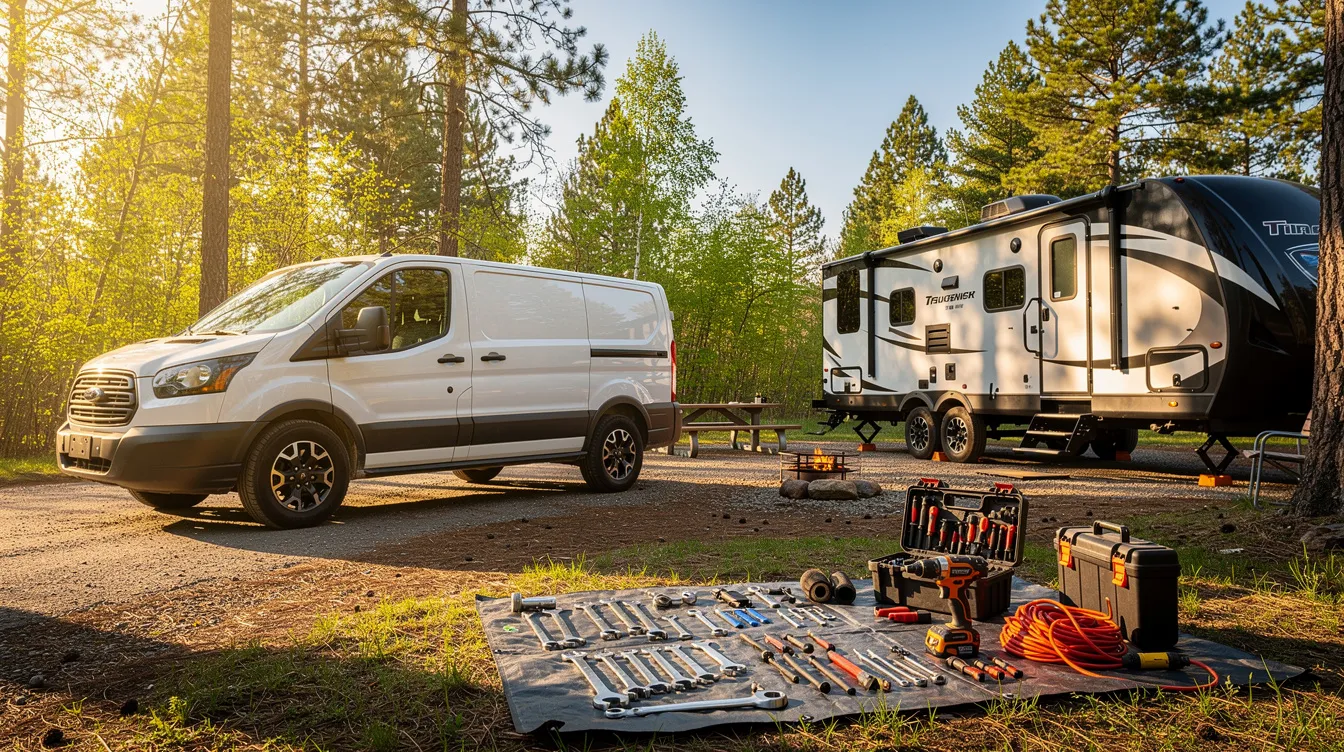
Mobile RV mechanics are often faster for repairs compared to dealerships – there is no appointment queue or waiting weeks for a bay. Mobile RV mechanics often have over 20 years of experience and can work on various RV systems. Mobile RV services are available in multiple locations, and mobile RV repair services in Tucson, AZ are available in various locations across the country – for example, Hwy 238 Auto Repair offers RV services in Maricopa, AZ.
Reputable mobile services provide clear written estimates, digital photos of problem areas, and itemized invoices. Many accept extended warranty and roadside assistance authorizations. Look for licensed, insured technicians with RV-specific certifications when choosing any mobile rv repair services for your vehicle.
How to Choose the Right RV Mechanic
Choosing the right recreational vehicle mechanic directly affects safety, reliability, and long-term repair costs. Here is what to look for:
Verify credentials. ASE certification is a common qualification for RV mechanics handling chassis and engine work. GM Factory Training is a recognized qualification for RV technicians working on specific drivetrains. For RV-specific systems, RVTI certification represents a gold-standard curriculum for RV technicians. Technicians can be certified at different levels: Registered, Certified, and Master Certified. Also look for technicians certified by the RV Technician Association of America, and verify licensing, insurance, and bonding where required.
Check reviews. Checking reviews and referrals is crucial to find a reliable RV technician. Positive reviews and repeat customers indicate a mechanic’s reliability. Pay attention to comments about communication, turnaround time, and warranty handling on Google, Yelp, and campground forums.
Ask the right questions before booking rv service:
Experience with your brand and model (Class A diesel pusher, Class C motorhome, or towable trailer) – look for RV mechanics with experience relevant to your specific type of RV
Labor rates and whether estimates are provided in writing
Parts warranties – some RV repair services provide a 3-year/36K mile warranty, and RV mechanics often provide a 3-year/36,000-mile warranty on services
A good RV technician should provide a written estimate before starting repairs
Experienced RV mechanics are typically classified by their ability to handle specialized systems. A good mechanic should explain diagnoses in plain language and answer questions so customers hear clear answers, not jargon. Whether you choose a dealership for factory warranty coverage, an independent rv repair shop for lower cost, or a mobile RV repair service in Marana, AZ for convenience, building an ongoing relationship with one trusted team keeps maintenance records consistent and supports proactive maintenance services.
DIY RV Maintenance vs. Professional RV Services
Many RV owners handle simple tasks themselves but rely on professional rv service for complex systems and safety-critical work.
DIY-friendly tasks:
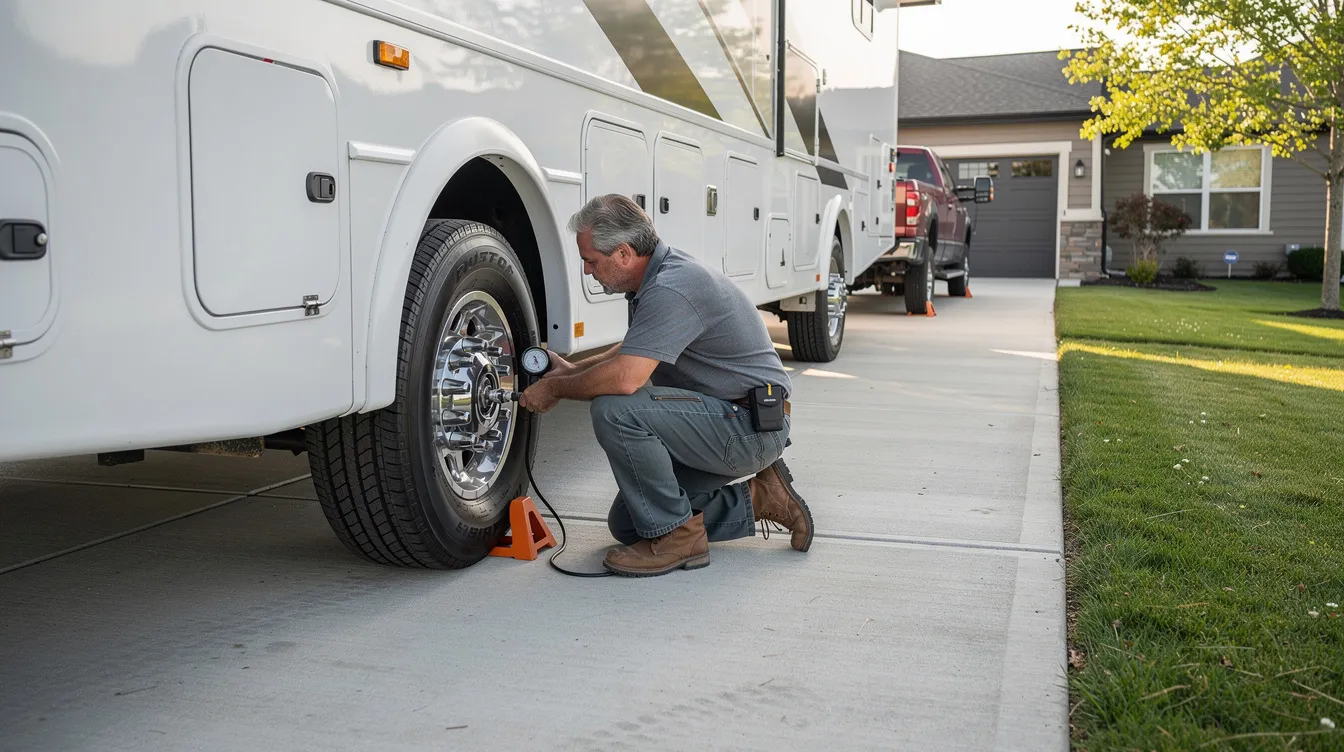
Checking tire pressure before every trip
Testing smoke and CO detectors monthly
Cleaning slide-out seals
Replacing basic interior fixtures
Washing and inspecting the exterior for visible damage
Tasks best left to a recreational vehicle mechanic:
Brakes and suspension work (correct torque specs matter for safety)
Propane system repairs
Major electrical diagnostics across both 12-volt and 120-volt circuits
Structural roof repairs with proper sealing techniques
Troubleshooting complex appliances or inverter/charger systems
Professional rv repair and maintenance preserves warranty coverage – manufacturers and extended warranty companies often require documented service by a qualified technician. Create a simple routine maintenance checklist organized by trip, mileage, and calendar date, and involve a professional mechanic at recommended intervals. Maintaining RV systems ensures a smooth and safe adventure, and routine checks prevent breakdowns and delays during trips.
Combining smart DIY habits with expert rv repairs keeps the recreational vehicle safe, comfortable, and ready for your next adventure. Contact a certified mechanic today and schedule your next appointment with confidence.
Frequently Asked Questions About Recreational Vehicle Mechanics
Below are quick answers to common questions RV owners ask about RV mechanics and rv repair.
How often should I schedule routine maintenance for my recreational vehicle?
Most RV owners should plan a full professional inspection and rv maintenance service at least once a year, even for seasonal travelers. High-mileage travelers or full-time RVers may need chassis service every 5,000–7,500 miles and generator service every 100–150 hours. Align your schedule with major trips – a full check in early spring before summer travel and a follow-up before winter storage works well.
Can a mobile RV mechanic handle all types of RV repairs?
Mobile RV mechanics can typically handle most rv repair needs on-site, including electrical diagnostics, appliance repairs, roof resealing, and plumbing issues. However, some heavy repairs – such as engine or transmission replacement, frame work, or major collision repair – may still require a fixed rv repair facility with lifts and specialized equipment. Ask the mobile service in advance which systems they work on and whether they charge a separate travel or diagnostic fee.
What signs indicate I need to see an RV mechanic immediately?
Watch for a soft or spongy brake pedal, strong burning smells, visible leaks from the roof or slide-outs during rain, repeated circuit breaker trips, or propane odor inside or outside the RV. Delays in seeking repair services for these symptoms can lead to costly damage or safety hazards such as brake failure, electrical fires, or water damage and mold. Stop driving and contact a qualified RV mechanic or mobile rv repair service as soon as you notice any of these issues.
Do RV mechanics work with extended warranties and insurance?
Many rv repair shops and mobile RV mechanics are familiar with extended service contracts and can help file claims, but policies vary by provider. Call both your warranty or insurance company and the mechanic beforehand to confirm coverage, deductibles, and any pre-authorization requirements. Keeping detailed maintenance and repair records makes the claims process smoother and helps document that the RV has been kept in top condition – which builds trust and ensures satisfaction with your coverage over the years.