Getting air conditioning in your RV right means choosing the correct size rv air conditioner, understanding ducted vs non ducted setups, and knowing how to install and maintain your ac unit for years of comfortable camping.
Key Takeaways
A 13,500 BTU rv air conditioner suits RVs up to 32 feet in moderate climates; a 15,000 BTU unit is ideal for hot climates and larger rigs. RVs over 35 feet often require two air conditioning units.
Cooling capacity is measured in BTU for RV air conditioners. Rooftop AC units typically have cooling capacities of 13,500 to 15,000 BTU.
Ducted rv ac systems suit larger fifth wheels and Class A motorhomes; non ducted units with an air distribution box are common in travel trailers under 28 feet.
A single 15,000 BTU rooftop ac unit usually runs on 30A service, but two air conditioners typically need 50A or careful alternating use with soft start kits.
Modern low-profile units (with or without heat pump) are quiet, efficient, and built to fit standard 14″×14″ roof openings for easy DIY replacement.
How RV Air Conditioning Works & Main Types
An rv air conditioner is a compact rooftop or under-bench system using a compressor, refrigerant, and fan to move heat out of the RV. An RV air conditioner is designed to cool the air by 15–20°F compared to the return air temperature. These purpose-built air conditioners run on 120V from shore power, generators, or large inverter systems and are engineered to handle vibration and weather exposure.
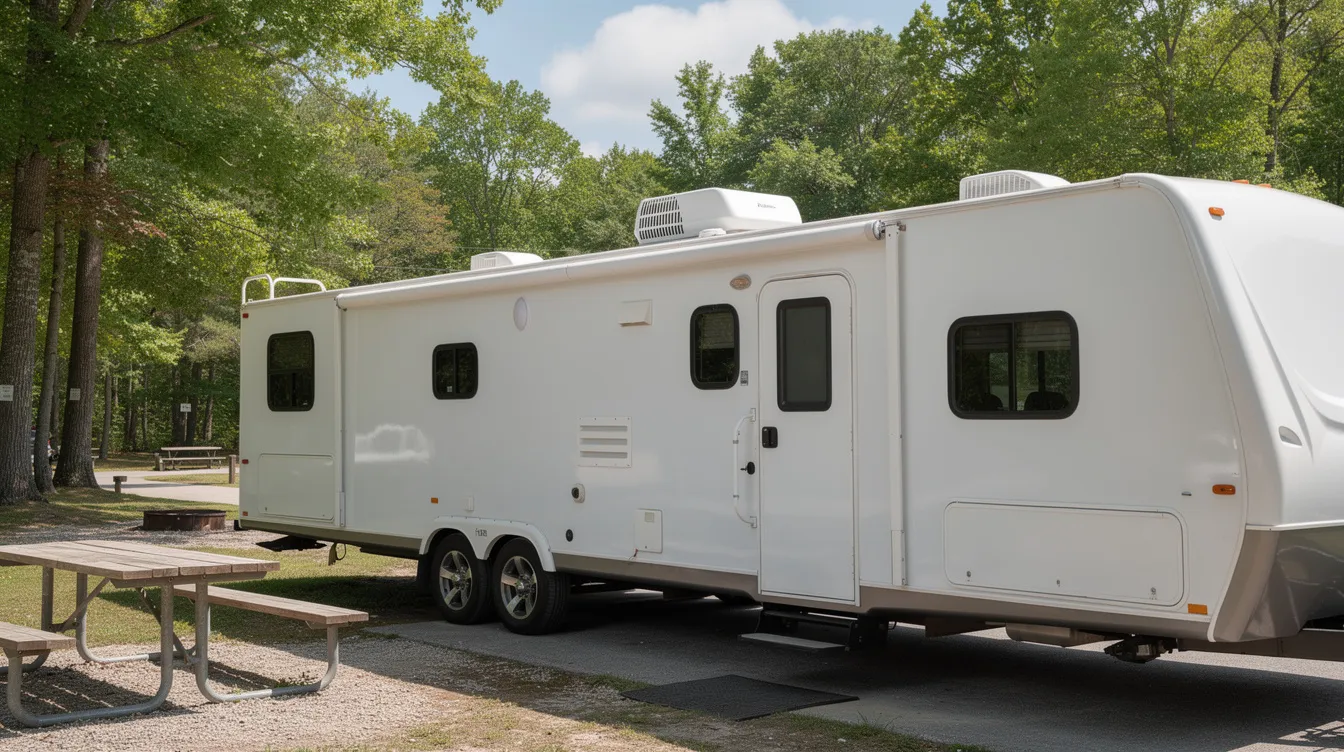
Rooftop units are the most common types in North America, sitting over a roof opening and blowing cool air down through an air distribution box or ducted plenum. Under-bench or basement units are niche options seen on some European and class A coaches where roof space is limited. Mini-split systems include an external condenser and internal air handler, offer high efficiency often exceeding 20 SEER, and are preferred for their efficiency when constructing custom campers – though they require complex installation involving exterior wall modifications.
Cooling-only units handle summer heat; heat pump models can also provide electric heat down to roughly 40–45°F, reducing propane furnace use in shoulder seasons. For off-grid setups, 12V DC rooftop units are designed for off-grid use with battery-direct power, and 12V or 24V DC units are compatible with solar systems. These 12V DC units avoid conversion energy losses when powered directly by batteries. Smaller rigs typically have a single zone; larger fifth wheels and motorhomes may have two or more zones controlled by a wall thermostat or remote.
Choosing the Right Size RV Air Conditioner (BTU & Rig Length)
What size rv air conditioner do you need? Choosing the best air conditioner for an RV depends on budget and usage type, and the best RV air conditioning system depends on whether the user has shore power or boondocks. Here are clear guidelines:
11,000–13,500 BTU for small travel trailers under about 26–28 feet in moderate climates.
13,500 BTU for trailers up to about 30–32 feet or well-insulated Class C motorhomes in normal summer temperatures up to about 90°F.
15,000 BTU – the best rv air conditioner range – for fifth wheels, large bunkhouse trailers, and Class A motorhomes in warmer climates. For example, the Coleman Mach 15 is recommended for desert use, while the Dometic FreshJet 3 is suitable for Gulf Coast summers.
Dual units for rigs over ~35 ft with lots of glass or slide-outs. Larger RVs may need more than one air conditioning unit for even coverage.
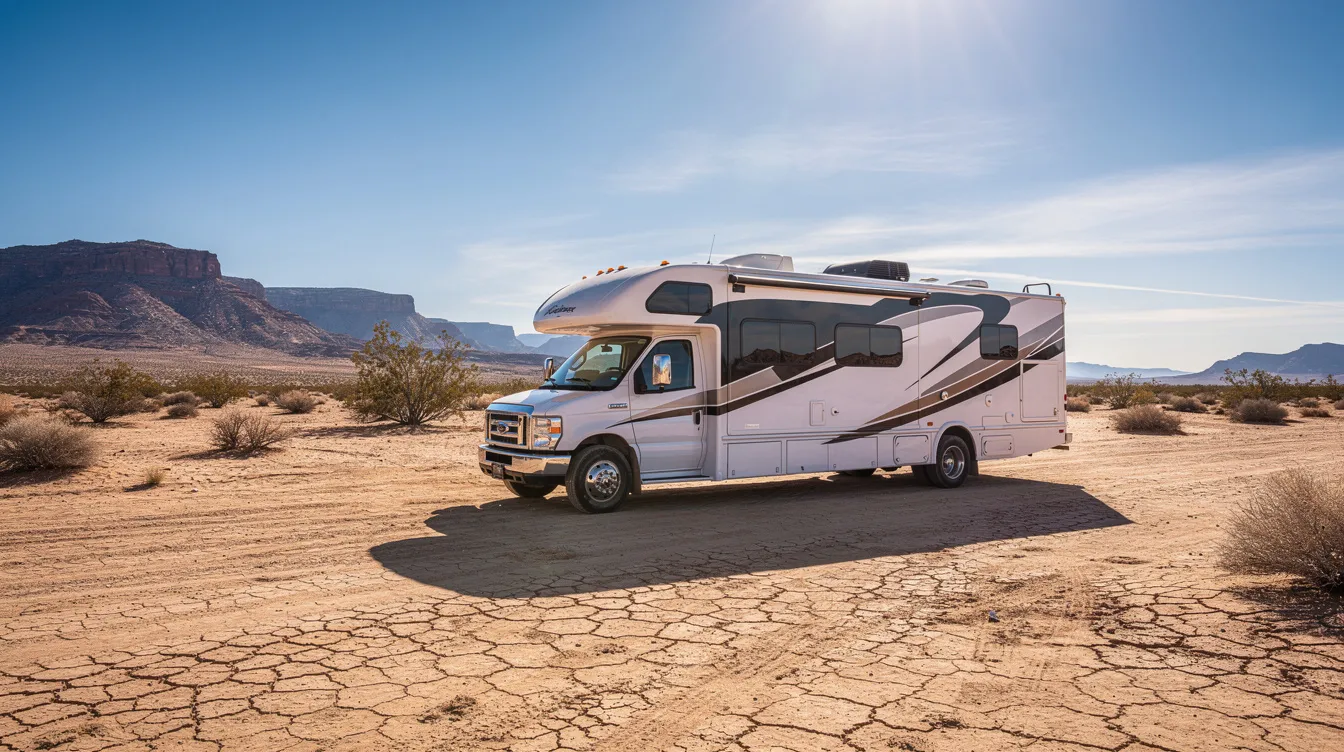
Internal factors matter: dark exterior paint, poor shade, big slideouts, and heavy occupancy all increase BTU demand. Oversizing slightly is usually better than undersizing – an overworked small unit may run non-stop and still never pull interior temps below 80–85°F when traveling through 100°F heat.
Ducted vs Non‑Ducted RV AC & Air Distribution Boxes
The choice between ducted and non ducted rv ac mostly depends on how your RV ceiling is built. Non ducted units blow air directly into one zone through a single air distribution box mounted to the ceiling directly under the ac unit, with adjustable louvers and simple controls. Non-ducted systems are common in trailers under 28 feet, are easy for DIY installation, and match open floorplans well.
Ducted units cool multiple zones via interior ductwork that runs front to back, supplying vents in bedrooms, bathrooms, and living areas. Ducted systems are standard on larger RVs over 28 feet and often support multi-zone thermostats with quiet operation, since most fan noise stays above the ceiling. Ducted units require more complex installation than non-ducted. Traditional rooftop units are easiest to install in a 14 x 14-inch opening.
When you replace an existing rv ac, match your current configuration and check the roof opening size and ceiling assembly style. Upgrading the air distribution box can improve performance and noise levels – newer ADBs feature better filters, sleek low-profile styling, and wall-mounted or remote controls. For those building custom rigs, mini-split systems are preferred for their efficiency, though the shroud and cover requirements differ from standard rooftop setups.
Power, Shore Service & Running RV Air Conditioners Efficiently
RV air conditioners draw significant power, so understanding your power sources is critical. Traditional 120V air conditioning units run at fixed speeds causing power spikes at starting. A single 13,500 BTU unit draws about 1,300–1,600 watts running and 2,800–3,000 watts at startup, fitting within a 30-amp service but leaving little room for other loads.
Two full-size ac units typically need 50-amp service or careful alternating operation. Soft start kits reduce startup current by up to 75%, allowing easier starting from smaller generators in the 2,000–3,000 watt range. Variable-speed inverter units use inverter compressors for higher efficiency and can reduce power consumption by up to 40%. Inverter rooftop AC units provide lower energy use and quieter operation – helpful for older campgrounds with weak power.
Efficiency tips: pre-cool your rig in the morning, use reflective window shades, run vent fans to exhaust hot air before starting the ac, and keep return air filters clean. Sealing air gaps prevents warm and cold air from mixing. Monitoring voltage can prevent compressor damage due to low power supply. Some modern units from manufacturers like Truma are specifically engineered with built-in soft-start for lower amp draw, making them compatible with limited power hookups.
Installing, Replacing & Maintaining an RV Air Conditioner
Many RV owners can replace a rooftop air conditioner themselves using standard tools. Always confirm manufacturer instructions and follow basic safety steps before you buy materials and begin.
Installation steps in brief:
Turn off power before starting the installation process – disconnect shore power, switch off breakers, remove the battery fuse.
Remove the old AC unit by disconnecting electrical connections and loosening the mounting frame from inside.
Position the new AC unit over the existing roof opening (typically 14″×14″), setting the foam gasket flat.
Secure the mounting frame to hold the AC unit in place, tightening bolts evenly to compress the gasket and protect against leaks.
Connect the electrical wiring to the new AC unit using the supplied junction box, then reinstall the air distribution box or interior plenum.
Test the AC unit after installation to ensure functionality.
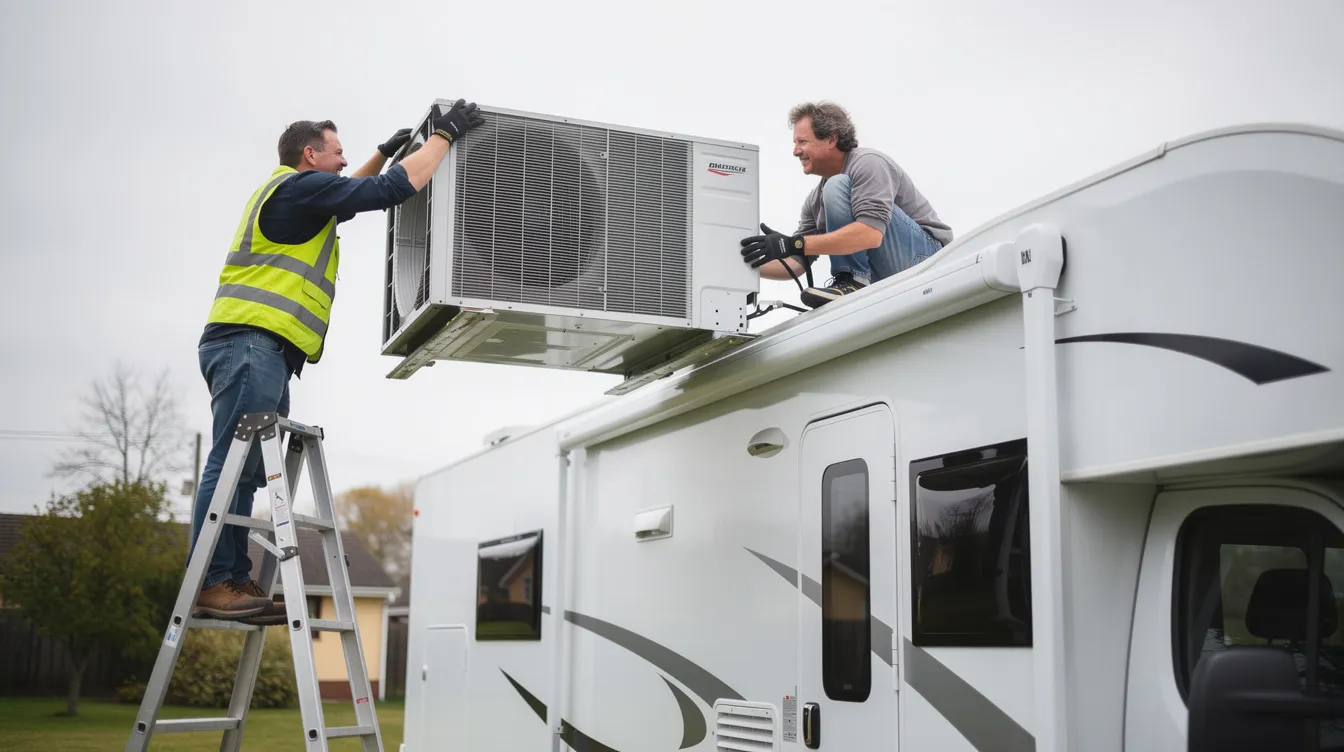
Check roof thickness compatibility – laminated roofs can be 1–6 inches thick, and mounting hardware must match. Units weigh 80–100 lb, so a second person makes the step onto the roof safer.
Maintenance schedule:
Cleaning air filters is the most significant factor for maintaining airflow and cooling performance. Air filters should be cleaned or replaced every two weeks during heavy use.
Air conditioners should be cleaned monthly during heavy use overall.
Annual cleaning of rooftop condenser and evaporator coils is recommended.
Inspect the roof gasket every spring – inspecting the roof unit helps prevent water leaks and improves efficiency.
Regular maintenance ensures maximum cooling capacity and extends the lifespan of air conditioners.
Typical lifespan is 10–15 years with regular care. Weak airflow can indicate filter issues or clogged coils. Common failure points like capacitors, fan motors, and control boards can often be a replacement part rather than a whole new unit, saving significant money, and when you don’t want to tackle that work yourself, mobile RV repair services in Tucson such as RV Repair Hero can handle the diagnostics and repairs on-site.
When shopping for a replacement online, you may encounter a page performing security verification before product listings are displayed – this is a security service that verifies your browser to protect against malicious bots. Once verification successful, the website loads normally. If you see a respond ray id error or find yourself waiting, clear your browser cache. Check sellers on sites like www.rvpartsgiant.com and add your chosen unit to the cart once you confirm compatibility with your rig.
FAQ: Common Questions About RV Air Conditioners
This section answers extra things RV owners often ask about running and upgrading rv air conditioners.
Can I run my RV air conditioner while driving?
Most rooftop rv air conditioners need 120V power, so owners typically run the ac unit using an onboard or portable generator while traveling on hot days, and if your system struggles in the Arizona heat, a local mobile RV repair service in Tucson, AZ can inspect the electrical and HVAC components. Some European-style systems can be paired with a DC kit to run from the vehicle alternator, but this is less common in North America where the dash AC and generator approach is standard. Enjoy the cool air, but make sure your generator is properly ventilated and the wiring can handle continuous use.
Do I really need a heat pump, or is cooling‑only enough?
A heat pump is convenient for chilly nights in spring and fall because it provides electric heat without burning propane, but it usually loses effectiveness when outdoor temperatures drop into the low 40s°F. Full-time RVers or those camping in shoulder seasons may appreciate a heat pump, while summer-only travelers in warmer climates can save money by choosing a cooling-only rv ac.
Why is my RV AC blowing but not cooling well?
Common causes include dirty return filters, blocked evaporator coils, low campground voltage, poorly sealed ducts, or a sun-loaded rig trying to cool from very high interior temperatures. First steps: clean filters, check voltage with a meter, close unused vents to boost bedroom airflow, and start the air conditioner earlier in the day to prevent heat soak; if problems persist and you’re based near Marana, a mobile RV AC repair service in Marana, AZ can diagnose refrigerant, ducting, or control issues on-site.
Can I install a bigger BTU RV AC than my original one?
In many cases you can upgrade from a 13,500 BTU to a 15,000 BTU ac unit if your electrical system, breaker size, and wiring are adequate and the new unit fits the same roof opening. Confirm amp draw and compatibility with an RV electrician or the manufacturer before upgrading, especially on older 30-amp rigs that already run electric water heaters or other large loads.
How loud are modern RV air conditioners?
Older rv ac models were often quite noisy, but many modern low-profile air conditioners are engineered to operate in the mid-40 dB to low-50 dB range inside the RV on low fan speed. Ducted installations and upgraded air distribution boxes generally sound quieter inside than basic non-ducted ceiling units, making them a better choice for light sleepers who want to stay comfortable through the night.