Camper repairs range from quick electrical fixes to full roof replacements. Knowing when to call a mobile rv technician versus driving to a shop can save hundreds of dollars and days of downtime.
Key Takeaways
Camper repairs can be completed at an rv repair shop or through mobile rv repair services that come to your campsite, driveway, or storage lot. RVs have unique systems not found in cars, and common camper repairs often stem from water intrusion, vibration damage, and electrical issues.
Mobile rv technicians handle electrical systems, plumbing, appliances, roof leaks, and slide outs without moving the rig. Call for emergency rv repair when you lose power, detect an active water leak, smell gas, or discover brakes not working. For intermittent problems, schedule routine mobile service instead. Certified, insured mobile technicians are safer and more reliable than uncertified handymen. Routine maintenance can prevent many unexpected camper repairs.
Understanding Camper Repairs & Service Options
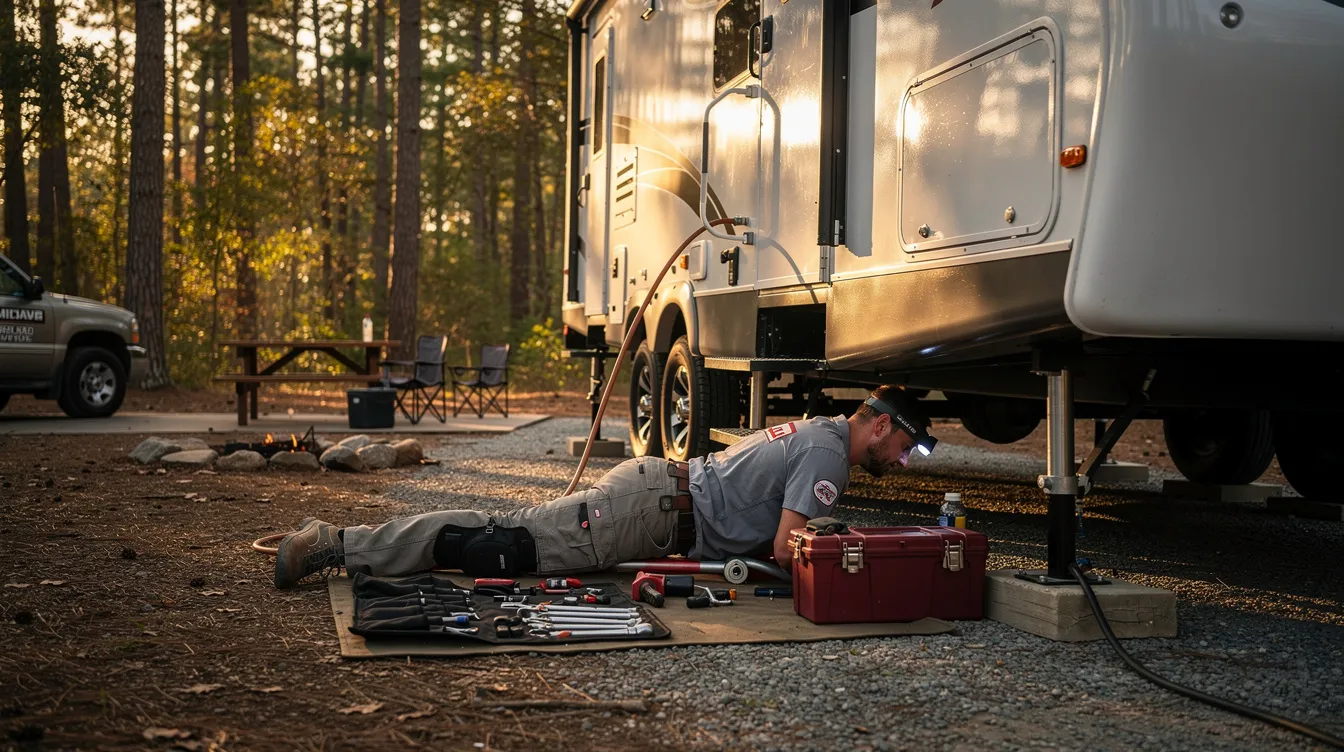
In 2024 through 2026, “camper repairs” covers work on travel trailers, fifth wheels, and motorhomes used for weekend trips, full-time living, and cross-country travel. RVs require expertise in plumbing, electrical, and HVAC systems, and specialized rv services are typically faster than general auto shops because RVs often need repairs that general auto shops cannot handle.
Two main options exist: mobile rv repair, where the technician comes to you, and a traditional rv repair shop or rv service center, where you tow or drive the camper to a facility. Mobile service works best for on-site issues at a campground, driveway, or storage lot. Shops handle major structural, chassis, or frame work requiring lifts and spray booths.
Many rv owners now prefer mobile rv repair services in Tucson, AZ because campgrounds and storage facilities allow technicians to work on site, saving $300 to $500 in towing costs. A practical comparison: mobile rv offers higher convenience but labor runs $125 to $185 per hour; shops charge $115 to $155 per hour but add tow and wait-time costs. Mobile rv service schedules within one to three days; shops may backlog for weeks. Combining annual shop visits for brakes, wheels, and axle work with on-demand mobile rv service gives the best long-term reliability. Specialized rv technicians undergo ongoing training and certification to stay current.
Common Camper Repairs Handled by Mobile Technicians
Most non-engine rv repairs can be done by a qualified mobile rv technician at your location, often within 24 to 72 hours. Mobile rv repair services cover electrical and plumbing systems, and technicians can perform repairs at campgrounds or homes. Mobile rv repair includes troubleshooting for appliances and slide-outs, and Tucson mobile RV repair technicians commonly service these systems on-site.
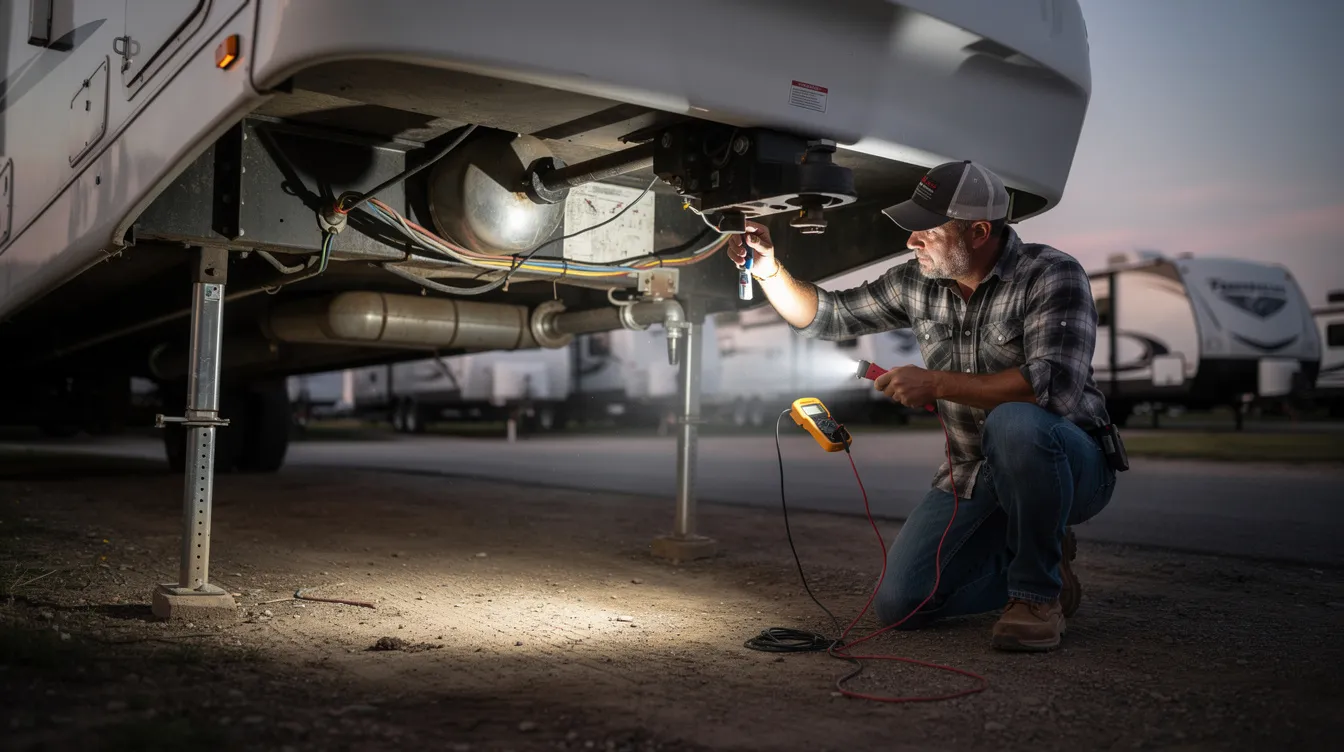
Electrical systems (AC/DC). Electrical system repairs cover AC/DC systems and batteries. Mobile technicians diagnose dead house batteries, failed converters, bad transfer switches, tripped GFCI outlets, and shorted circuits. Specific fixes include replacing a failed 30-amp shore power cord ($75 to $150 in parts), installing a new converter/charger ($250 to $600 plus labor), or troubleshooting a blown fuse that kills interior lighting. Inspecting battery terminals for corrosion can prevent electrical issues, and checking battery voltage and connections is essential for rv electrical systems.
Plumbing and water systems. Plumbing services include water heater and leak repairs. Common fixes address leaks from soft PEX fittings cracked during freezing temperatures, damaged city-water inlets, and under-sink connections. Water heater malfunctions can occur due to propane supply issues or dirty burner tubes. Water heaters run $600 to $1,200 for total replacement. Water pumps cycling constantly and tank sensors misreading full or empty are also routine diagnose-and-fix jobs.
Appliances and comfort systems. Refrigerators in recreational vehicles require proper leveling to function correctly. Rooftop air conditioning units freeze up from dirty coils or failed blower motors; regularly cleaning AC filters helps maintain performance. Furnaces lock out from flame sensor failure. Positioning camper appliances according to maintenance schedules can avert faults. Carbon monoxide alarms should be tested monthly in campers for safety.
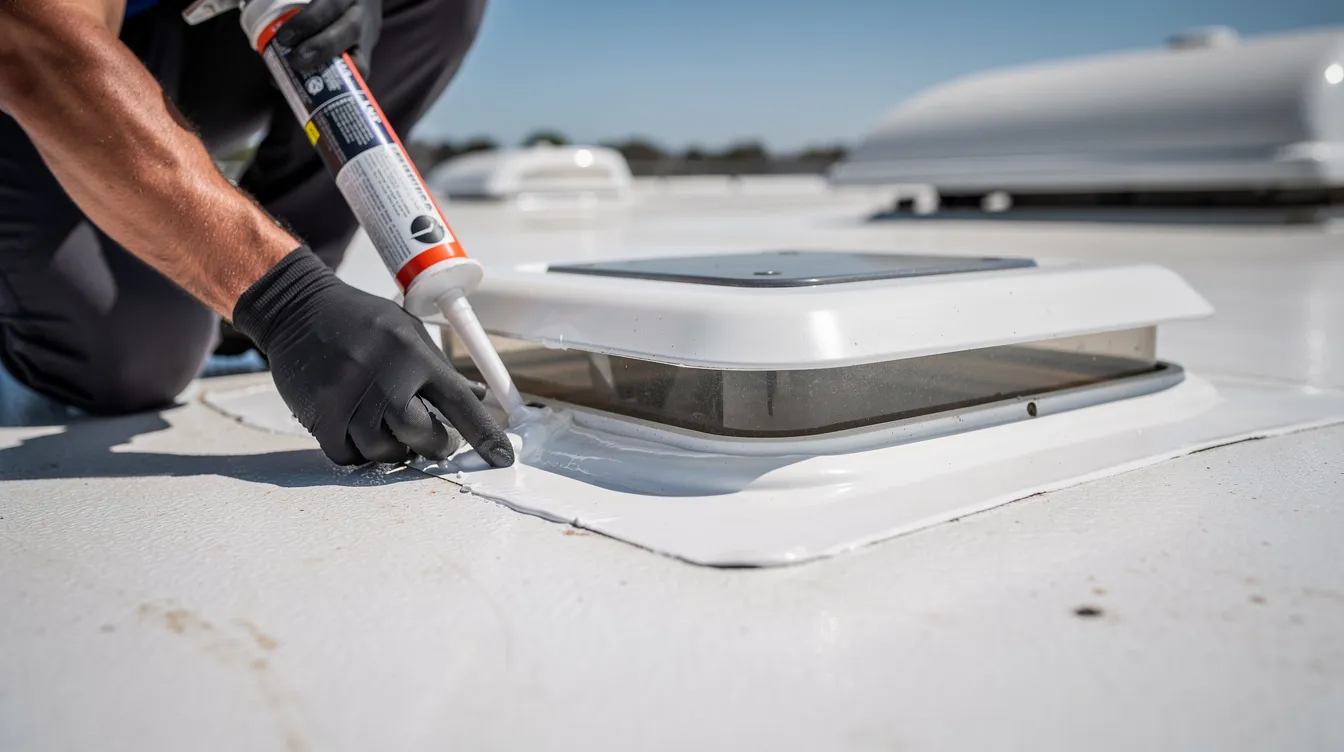
Roof, exterior sealing, and slide-outs. Roof leaks are a frequent issue for rv owners. Mobile technicians trace leaks on EPDM and TPO rv roofs, remove old lap sealant, and reseal around vents and skylights. Minor roof repair runs $350 to $1,000; full replacement $1,500 to $5,000+. Regular inspection of roof seals can prevent water intrusion, and inspecting seals twice a year can help maintain camper systems. Re-sealing exterior seams can be a DIY-friendly repair.
Slide-out problems are common in RVs. Common causes include weak motors and misaligned rails. Mobile technicians can repair slide-outs in Marana, AZ on-site, and repairs can cost between $200 and $1,500. Slide-out maintenance is part of regular rv inspections.
Seasonal services. Winterization and dewinterization each fall and spring (blowing out lines, adding antifreeze, flushing systems) plus inspections for roof, water intrusion, and exterior seams keep recreational vehicles road-ready.
When You Need Emergency RV Repair vs Scheduled Service
Emergency rv repair covers issues making the camper unsafe or unusable: an active roof leak during a storm, electrical burning smell, total power loss at a campground, propane odor near appliances, brake lights failing before a long towing day, or a slide stuck halfway. Emergency mobile rv repair is available 24/7 in some areas, and mobile rv technicians can travel up to 50 miles for service. After-hours work typically costs 25 to 50 percent above normal business hours rates.
Contrast that with issues suitable for scheduled rv service: intermittent fridge cooling, minor interior water stains, sticking entry doors, or cosmetic exterior repair. When calling, have your exact location (campsite number or GPS), RV year, make, model, electrical service type (30 or 50 amp), and a clear description ready. For engine or transmission failure on motorhomes, you still need a tow to a specialized rv service center.
Keep an emergency contact list taped near your control panel: preferred mobile technician, roadside assistance number, and campground office. Regularly checking tire pressure before trips can prevent blowouts, and tire pressure monitoring systems can help maintain correct tire inflation. Tire rotation and inspection of wheel bearings is vital for rv safety.
Choosing Between Mobile RV Repair and an RV Repair Shop
Neither mobile rv service nor a brick-and-mortar rv repair shop fits every situation. Mobile technicians handle diagnostics and repair on electrical systems, plumbing, roof leaks, slide outs, awnings, leveling systems, and interior components while the camper stays at a campground, driveway, or storage lot. Shops are needed for frame or axle work, major repairs involving collision or fiberglass, full paint refinishing, and complex chassis service on motorhomes.
Mobile rv repair services charge a trip fee (often $0 to $95 within 25 miles, plus $1.25 to $3 per mile beyond) plus hourly labor. Shops may have lower hourly rates but higher minimums. Some warranty and insurance providers approve both mobile service and shop work but require pre-authorization before camper repairs begin. Many rv owners mix both options: mobile technicians for fast fixes and upgrades on the road, annual shop visits for deep inspections. Routine maintenance packages help keep RVs road-ready. RV maintenance includes inspections and running gear checks, and a 45-point inspection verifies rv systems are functioning correctly.
How to Find and Vet a Reliable Mobile RV Technician
The quality of camper repairs depends on the person doing the work.
Credentials and training. Look for NRVTA-certified technicians or RVDA certification. RVDA master certification requires a minimum of five years documented experience plus a score of 90 percent or higher on the exam. Confirm expertise with your RV type, whether Class A, fifth wheel, travel trailer, or other models.
Licensing, insurance, and guarantees. Verify liability insurance, business licensing where required, and written guarantees on parts and labor (60 to 90 days is standard for typical camper repairs).
Reviews and references. Check google reviews, campground Facebook groups, and word-of-mouth from other rv owners in communities near your regular routes, whether in indiana, alabama, or elsewhere across the industry.
Scope, estimates, and scheduling. Before booking, confirm what systems the technician works on (electrical, plumbing, appliances, roof), their service area radius, emergency rv repair availability, trip charge, and whether parts are stocked or ordered. Ask for a written estimate listing diagnosis fees, labor rate, and approximate total before work begins.
Preparing your RV. Secure pets, ensure slides are accessible, connect power and water hookups if possible, and clear parking so the mobile rv can park nearby. A basic toolkit for rv repairs should include a multimeter and a basic set of tools so customers can test components while waiting for the technician to arrive and schedule an appointment.
FAQ: Camper Repair & Mobile RV Service
These FAQs address common issues not fully covered above.
How much do typical mobile camper repairs cost?
Most mobile repair services charge a trip fee ($0 to $95), hourly labor ($125 to $185), and parts at a 20 to 40 percent markup. A routine job like a battery swap or AC capacitor replacement runs $285 to $625 all-in. A complex slide motor replacement or roof reseal runs $850 to $2,400. Contact your technician for a written estimate before any job begins.
Can mobile RV technicians handle warranty and insurance work?
Many certified mobile technicians work with extended service contracts and insurance companies for rv repair services. Call your provider first to confirm mobile rv repair is allowed and whether pre-approval is needed. Warranty work often requires OEM parts and documentation from the company performing the fix.
What should I keep in an emergency repair kit?
Spare fuses, butyl tape, self-leveling lap sealant, water-line repair fittings, an electrical tester, basic tools, and a printed list of emergency contacts. These items help stabilize common issues until a technician can provide real results with a proper installation or repair.
How often should I schedule preventive camper maintenance?
Annual roof inspections and resealing as needed. Wheel bearing service every 12 months or around 10,000 to 12,000 miles for towables. Seasonal winterization each fall. Yearly checks of electrical systems, propane components, water heaters, and furnaces. Maintaining this schedule prevents most costly emergency repairs.
Do mobile RV repair services work on all types of campers?
Most mobile technicians service travel trailers, fifth wheels, toy haulers, and Class A, B, and C motorhomes. Always confirm make, model, and length when booking to ensure proper tools, details, and clear access at your site for the mobile rv technician.