Mobile rv repair brings skilled technicians directly to your driveway, storage lot, or campground so you never have to worry about hauling your rig to a distant shop. Whether you need a quick fix for electrical issues or a full pre purchase inspection before buying a used motorhome, on-site service saves you time, money, and the headache of towing.
Key Takeaways
Mobile rv repair service eliminates the need for towing your vehicle to a traditional shop. Certified technicians travel to your location-home, campground, or storage lot-to diagnose and complete rv repairs on the spot, covering systems like AC, plumbing, slide outs, and your leveling system.
The standard mobile service fee is $150, with an hourly rate of $170 for labor. Most providers offer same-week availability for routine rv maintenance, rv inspections, and pre purchase inspections, while emergency calls for issues like water leaks or power loss receive priority scheduling.
Mobile rv technicians are RVIA Master Certified and RVTAA-certified, and they provide mobile rv repair services across the U.S. and Canada. They arrive with stocked service trucks so that common rv issues-roof leaks, dead batteries, furnace failures, and refrigerator problems-can be resolved in a single trip.
What Is Mobile RV Repair and Why It Matters
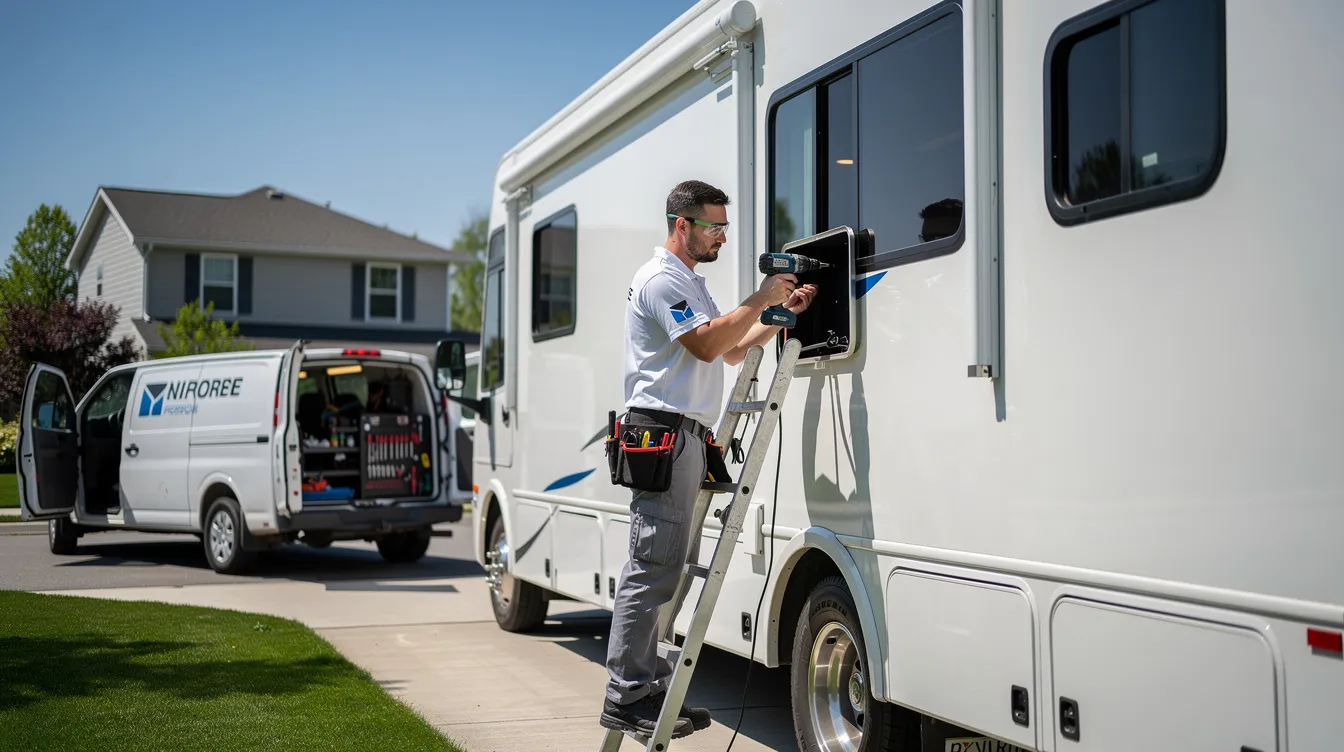
Mobile rv repair is a full-service, on-site rv repair option where technicians drive to your rv instead of requiring you to drop it off at a shop. Think of it as the difference between calling a plumber to your house and hauling your entire kitchen to a warehouse across town. With roughly 11.2 million U.S. households owning an RV, the demand for convenient, professional repair has never been higher.
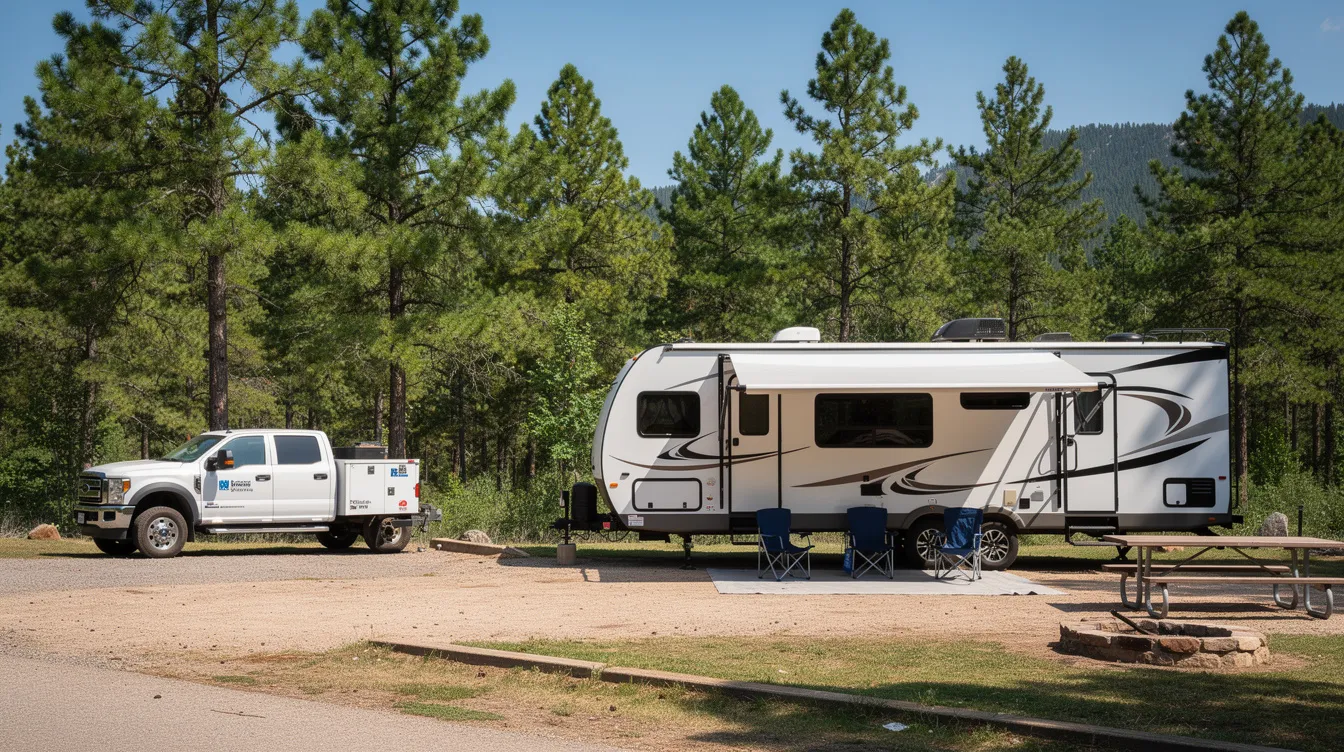
The scenarios are familiar to most rv owners. Maybe you’re stuck in the driveway the week before a 2026 summer road trip and your AC just died. Maybe your camper has been sitting in a secured storage lot for six months, and the water pump quit working. Or maybe you’re parked long-term at a campground and your slide outs won’t retract. In each case, a mobile rv repair service that comes to you is the efficient answer.
Mobile service focuses on RV “house” systems-electrical, plumbing, appliances, roof, and leveling system repairs-rather than automotive engine or transmission work. If your husband is under the rig trying to diagnose an inverter fault with a YouTube video and a borrowed multimeter, it might be time to call a professional.
Compare that to a traditional RV dealership experience: multi-week backlogs, the costs of towing a 35-foot fifth wheel, and losing your rig during peak camping season while it sits waiting in a service bay. Mobile rv repair often provides faster turnaround compared to traditional shops because there is no queue-your technician’s focus is solely on your rv for the duration of the visit. Personalized service is a significant benefit of mobile rv repair, especially for full-time rv owners who cannot easily vacate their rig while it’s being serviced.
Mobile rv service is ideal for urgent rv issues like no power, water leaks, or a slide stuck out the night before departure. It’s also the smart choice for routine rv maintenance and on-site rv inspections that keep your rig road-ready all season long. Services like RV Repair Hero’s mobile RV repair in Tucson, AZ can be performed at your location within 100 miles, and many providers handle repairs at your campsite or driveway without you lifting a finger.
Common Mobile RV Repairs and Services We Perform
Most problems rv owners face on the road or at home can be handled by mobile rv technicians without a trip to the dealership. From electrical issues to roof leaks, mobile RV repair in Tucson, AZ keeps rigs road-ready in demanding climates; here’s what a typical service visit can address.
Electrical System Repairs
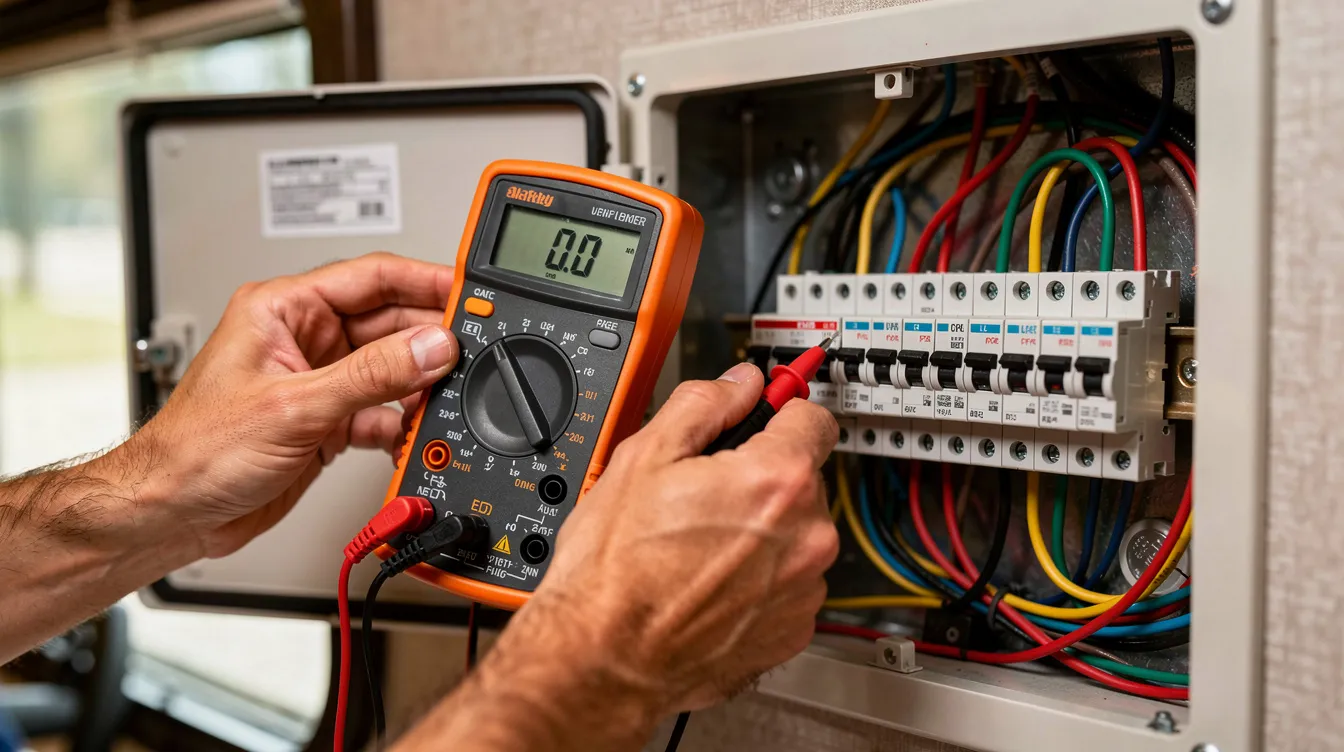
Electrical problems include AC/DC system failures and battery issues-the most common calls technicians receive. Your rv runs on both 12V DC and 120V AC circuits, and failures can show up as dead house batteries, tripped GFCIs, faulty converters, or shoreline power that won’t connect. Mobile technicians use targeted diagnostics for specific electrical issues in context, testing voltage, continuity, grounding, and transfer switch behavior right at your site. They also handle inverters, solar charge controllers, and battery bank upgrades for owners interested in off-grid capability.
Plumbing and Water Systems
Mobile rv repair addresses plumbing issues like leaks and water heaters across fresh, gray, and black tank systems. Technicians can perform plumbing repairs including water heaters and pumps, replacing faulty elements, thermostats, anode rods, and pressure regulators. Winterization services protect your lines and tanks before freezing weather arrives, and de-winterization in spring gets everything flowing again. If you’ve noticed low pressure, odd smells, or a puddle under the rig, a mobile tech can diagnose and fix it without dragging the rv anywhere.
Appliance and Comfort Systems
Common appliance repairs involve refrigerators and air conditioning units-two systems that tend to fail at the worst possible moment. An AC that won’t cool in August usually traces back to a bad capacitor or restricted airflow, while a furnace that refuses to ignite on a fall mountain trip often needs a new sail switch or igniter. Absorption refrigerators that won’t hold temperature and propane appliances with pilot light issues are all part of the job.
Roof, Exterior, and Slide-Outs
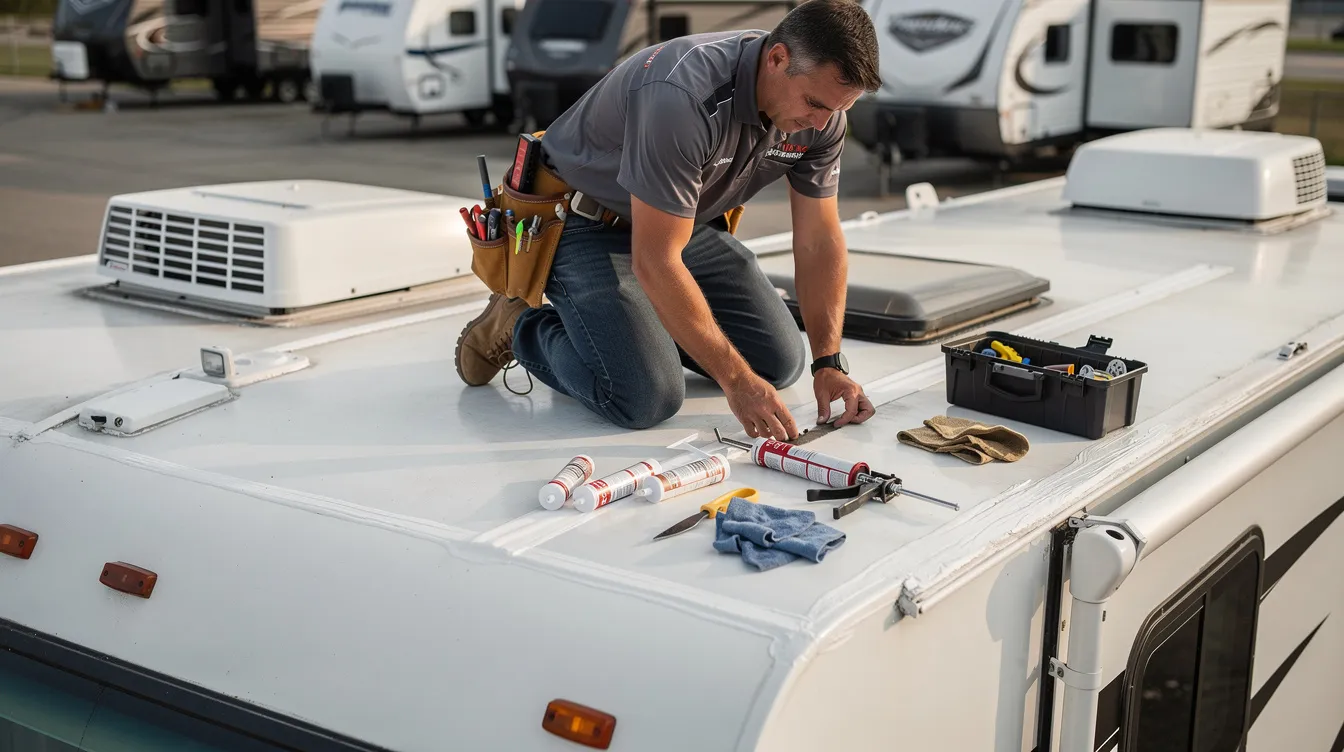
Roof leaks are a frequent issue addressed by mobile rv technicians. Seams, vent penetrations, and aging sealant around air conditioner mounts are the usual culprits. During a visit, techs can reseal the roof, adjust awnings, and inspect for water intrusion that leads to costly hidden damage. In places like Marana, AZ mobile RV repair services, mobile services can fix slide-out issues at your location-whether it’s a cable adjustment, motor replacement, or rack-and-pinion alignment that’s keeping your slide outs from operating smoothly.
Leveling System Diagnostics
A leveling system that throws error codes or has jacks that won’t extend can make your campground setup miserable and unsafe. Technicians diagnose hydraulic leaks, actuator failures, and control panel malfunctions on-site so your rig sits level and stable.
Interior and Bundled Tasks
Smaller interior items-cabinet hardware, lighting upgrades, vent fan installation, window seal replacement-are easy to bundle into the same visit. If the technician is already on-site for a plumbing repair, knocking out a few quick interior fixes saves you a second trip fee.
Certified technicians arrive with stocked service trucks carrying common replacement parts, sealants, fuses, and diagnostic tools to finish most jobs in one trip. Availability of common replacement parts on service vehicles can affect repair times, but routine repairs are typically completed the same day. Mobile rv repair can address issues quickly, minimizing downtime so you’re back on the road fast.
Inspections, Maintenance, and Choosing a Mobile RV Technician
Preventing breakdowns through routine rv maintenance and rv inspections is almost always cheaper than emergency rv repair. A $200 roof inspection today can save you a $3,000 water damage repair next year.
Seasonal and Annual Maintenance
Mobile rv teams handle annual roof inspections and resealing, AC coil cleaning, generator oil changes, slide and leveling lubrication, and winterization protocols. Pre-trip inspections are available through mobile rv repair services, verifying lights, propane systems, tires, seals, and brake components so rv owners are ready before long journeys. Mobile rv repair can be more convenient and cost-effective for routine maintenance because you avoid transport costs entirely.
Pre Purchase Inspections
If you’re buying a used fifth wheel, motorhome, or travel trailer, a thorough pre purchase inspection covers electrical, plumbing, roof condition, appliances, and signs of hidden water damage. Inspectors following NRVIA Standards of Practice deliver a written report with photos so you know exactly what you’re getting before you drive it home.
Certifications and Credentials Matter
Checking technician certifications ensures their professional qualifications for repairs. All technicians should be RVTAA-certified for quality assurance-RVTAA certification ensures technicians meet rigorous standards across electrical, plumbing, and appliance systems. RVIA Master Certified technicians demonstrate the highest standards in rv repair, having completed 120+ hours of specialty training across five disciplines. Technicians maintain certifications through ongoing education requirements, typically renewing every five years. Look for manufacturer-specific credentials from brands like Lippert, Dometic, Truma, or Norcold for specialized expertise.
How to Choose a Provider
When selecting a mobile rv repair service, take these steps:
Check reviews from other local rv owners in your area and ask for examples of past work.
Confirm insurance. Mobile rv technicians typically carry liability and business insurance-ask for proof before work begins.
Request a written estimate that breaks out the trip fee, hourly labor rate, parts costs, and any warranty on workmanship.
Ask about estimates. Mobile rv repair services often include free over-the-phone estimates, so you can get a ballpark before committing.
Inquire about discounts. Some mobile rv services offer discounts for veterans and first responders.
Typical pricing follows a transparent structure: a mobile service fee of around $150 to cover travel within the standard radius, plus an hourly labor rate of $170. Travel outside the standard service area may incur additional fees, usually $1–$3 per mile. Ensuring warranty compatibility is crucial when using mobile rv repair services-confirm that your technician’s credentials satisfy your extended service contract or manufacturer warranty before authorizing work.
Keep basic service records and receipts from each mobile rv visit to protect warranty coverage and increase resale value later. A well-documented maintenance history tells the next buyer your rig was cared for by a professional, not patched together with duct tape.
How to Schedule Mobile RV Service and What to Expect
Requesting mobile rv repair is easy. Pick up the phone, send a text or message through an online form, or email with details about your rv and the problem. Direct communication with mobile mechanics allows for transparency in repairs from the very first contact.
Information to Prepare
Before you schedule, gather the following:
Detail | Why It Matters |
|---|---|
RV year, make, and model | Helps the tech bring the right parts |
Current location (address of driveway, campground, or storage lot) | Determines travel fee and accessibility |
Description of the problem and when it started | Speeds up diagnostics |
Error codes on appliances or control panels | Narrows the diagnosis before arrival |
Photos of visible damage | Lets the technician prepare materials in advance |
What Happens on Service Day
The technician arrives at your door, does a walk-through with you, performs hands-on diagnostics, and explains findings in plain language before presenting repair options and pricing. No surprises, no jargon. Minor rv repairs-battery swaps, fuse replacements, water pump fixes-are often completed the same day. Larger jobs such as major roof work or special-order parts may require a follow-up visit, clearly scheduled in advance so you’re not left waiting.
While the technician is on-site, ask for maintenance tips-quick daily, weekly, and seasonal checks that can prevent repeats of the same problem. A two-minute seal inspection after every trip can save you hundreds down the road.
Don’t wait for a breakdown to sideline your next trip. Schedule inspections and rv maintenance ahead of busy travel seasons like Memorial Day and Labor Day, when lead times stretch and every mobile rv tech in america has a full calendar. Contact your provider early, get your rig inspected, and hit the road with confidence.
Frequently Asked Questions About Mobile RV Repair
Does mobile rv repair cost more than taking my RV to a shop?
Mobile service includes a trip fee (typically around $150) that a stationary shop doesn’t charge. However, once you factor in towing costs, fuel to drive a large rig across town, and the money lost on unused campground reservations while your rv sits in a shop queue, mobile rv repair is often the more cost-effective choice. The hourly rate of $170 is competitive with most brick-and-mortar RV service centers, and you save time by eliminating transit entirely.
What types of rv issues can’t be handled on-site?
Certain repairs like structural issues require traditional repair shops. Engine or transmission rebuilds, frame damage, and extensive body or fiberglass work that demands a lift bay or paint booth fall outside the scope of mobile service. If your technician identifies something beyond the mobile toolkit during diagnostics, they’ll recommend a qualified facility and help you plan next steps.
How far in advance should I schedule routine rv maintenance versus emergency calls?
During peak 2026 travel months (May through September), booking routine inspections and maintenance two to three weeks ahead is smart. Emergency calls-no power, active water leaks, a slide that won’t close-are typically handled within 24 to 48 hours through priority dispatch. Off-season, same-week availability is common for nearly any job.
Can mobile rv technicians work with my extended warranty or service contract?
Yes, as long as the technician holds the required certifications. Mobile technicians who are RVIA Master Certified and RVTAA-certified generally meet the qualifications demanded by most extended service contracts. Have your warranty paperwork and policy number ready when you call, and confirm coverage with your provider before authorizing repairs so there are no billing surprises.
How long does a pre purchase inspection take, and what do I receive afterward?
A thorough pre purchase inspection on a motorhome or travel trailer typically takes two to four hours depending on size and complexity. You’ll receive a detailed written report with photos covering every major system-electrical, plumbing, roof, appliances, leveling, slide outs, and signs of water intrusion. That report becomes your negotiating tool when buying, giving you the expertise to make an informed decision and the leverage to address problems before you sign.