Whether you own motorhomes, travel trailers, or fifth wheels, breakdowns happen. This guide covers how to diagnose, fix, and prevent the most common issues-so you can spend more time at the campsite and less time waiting on repairs.
Key Takeaways
Camper repairs can be handled by mobile RV repair technicians who come to your campground or driveway, or at a traditional rv repair shop with lift bays and heavier equipment. Mobile rv repair offers convenience by coming to your location, while shops handle collision repairs and frame work. The best choice depends on the scope of the job and whether your rig can be safely moved.
Common camper repairs include roof leaks, plumbing issues, and electrical faults. Water intrusion is the biggest cause of expensive camper damage, so catching problems early during routine maintenance absolutely saves money. Slide-out problems are a common rv issue as well.
Certified mobile technicians can perform a large share of rv repair services on-site, including electrical diagnostics, plumbing leak fixes, appliance installation, and seasonal prep. Mobile technicians can fix rv issues at campgrounds or homes.
RV owners should schedule professional inspections at least once a year or before any long trip. A checklist covering brakes, tires, batteries, propane, seals, and safety systems keeps your unit road-ready.
Even serious failures-a dead electrical system, a jammed slide-out, or a roof leak-are usually fixable without replacing the entire camper. Perform routine inspections to keep a camper reliable and extend its lifespan.
Understanding Camper Repairs and RV Service Options
Camper repairs means fixing active problems: leaks, blown fuses, broken appliances, or a slide that won’t retract. RV service refers to inspection and preventive maintenance, while routine maintenance covers recurring tasks like resealing roofs and servicing bearings. RV repair services include electrical and plumbing diagnostics, and mobile rv repair can handle plumbing, electrical, and appliance issues right at your location.
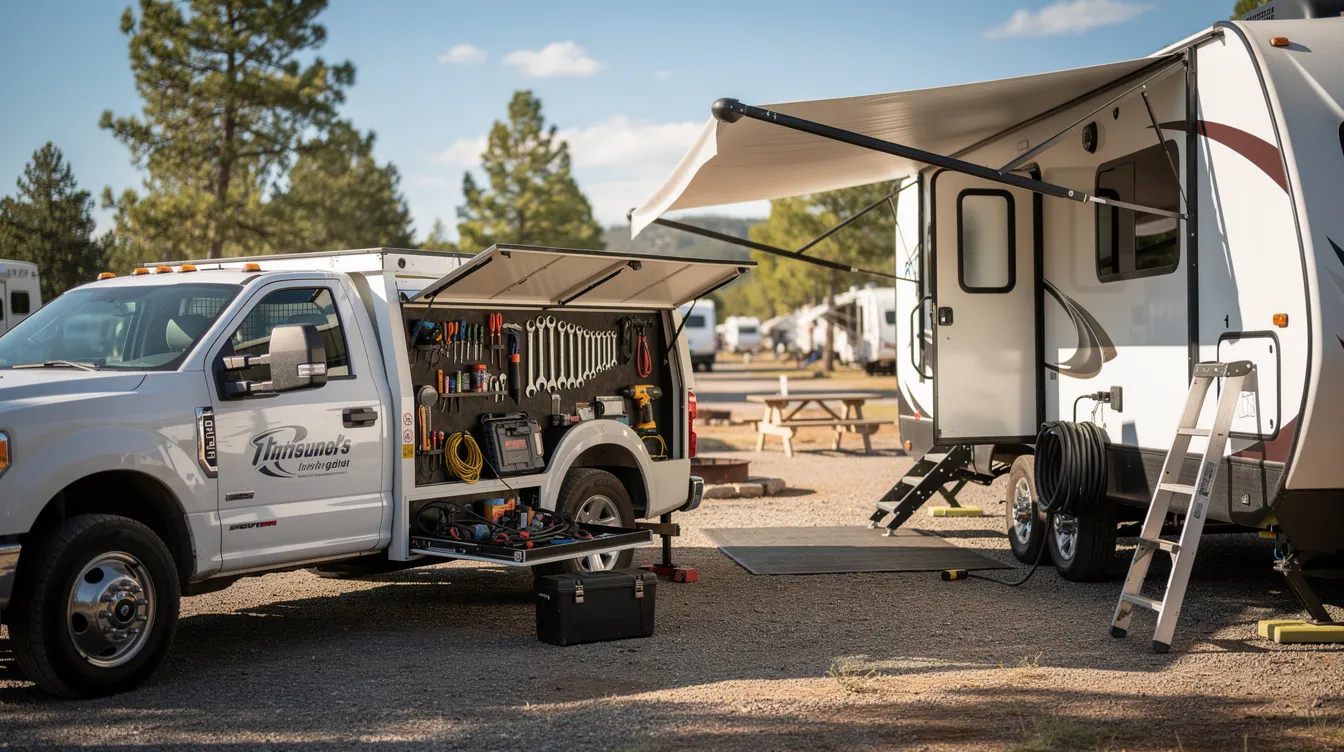
Two service models dominate: a brick-and-mortar rv service center (open monday through saturday in most cases, with lift bays, paint booths, and alignment tools) and mobile rv technicians who drive to your campsite, driveway, or storage lot. Electrical systems include AC/DC troubleshooting and repairs, and a typical camper contains several core components-chassis and suspension, 12V DC and 120V AC electrical, plumbing, propane, hvac, roof and body, and interior appliances. Major repairs like collision repairs or full roof replacement require a shop, while most diagnostics, upgrades, and seasonal prep can happen on site.
Common Camper Repairs: Electrical, Plumbing, Roof, and Appliances
Most rv repair calls fall into predictable categories. Recognizing early warning signs helps you avoid being stranded during a holiday trip.
Electrical systems are the top source of service calls. Electrical issues commonly arise from blown fuses or bad battery connections. Roughly 35% of failures involve brownouts from poor shore power, and another 25% come from loose connections at pedestals or breaker panels. Electrical system failures often require troubleshooting and repairs by a certified tech with a multimeter. Check battery terminals for corrosion and clean them regularly to prevent no-start situations.
Plumbing repairs cover water heaters, pumps, and leak fixes. Plumbing issues include water heater and pump repairs, cracked ABS waste lines after freezing nights, and worn diaphragms. Inspect every fitting in the plumbing system to find leaks before they cause floor damage. Winterization is essential for rv plumbing systems in cold climates-skipping it risks burst lines and expensive water damage.
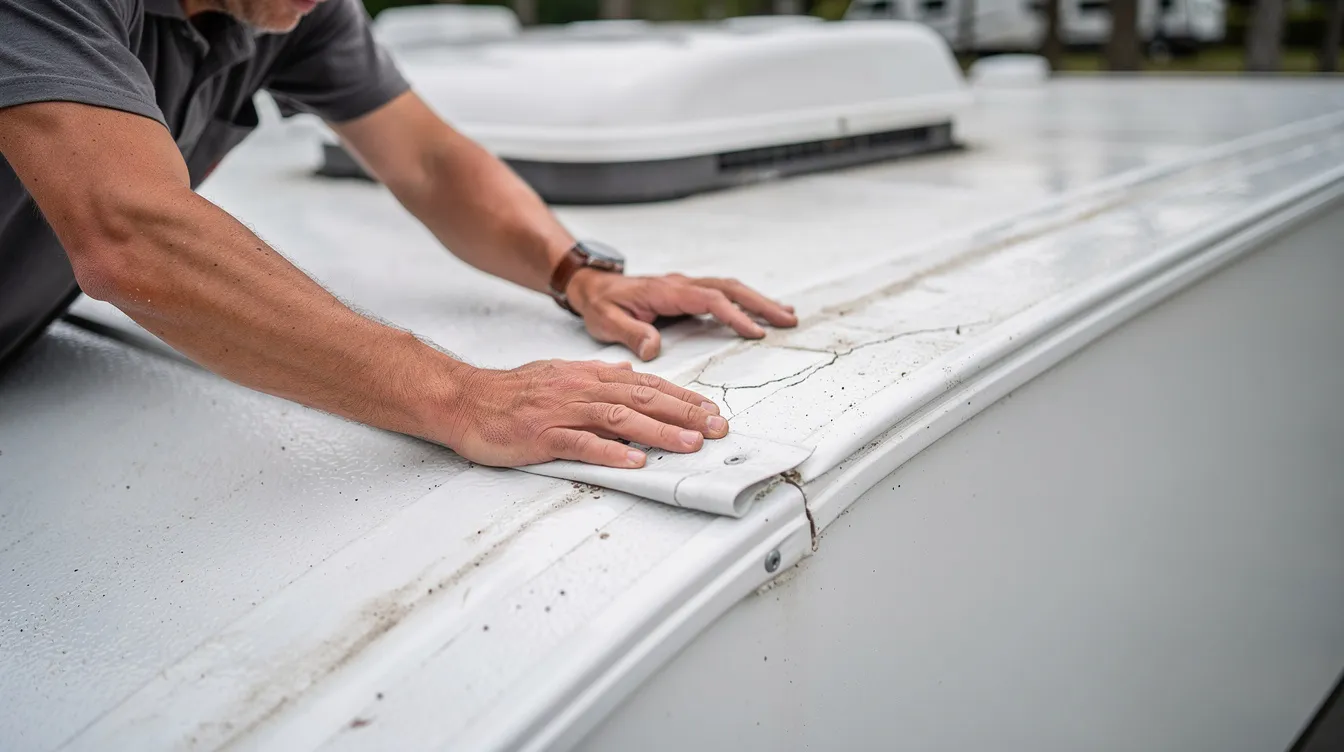
Roof and body leaks deserve constant attention. Inspect the roof every 3 to 6 months for seal leaks, and inspect lap sealant and caulking across the roof membranes twice a year. Inspect seals and seams every few months for degradation around vents, antennas, and window frames. Spot repairs range from $150 to $8,000 depending on scope, while a full roof replacement can hit $20,000-catching cracks early is dramatically cheaper.
Appliances and comfort systems round out the list. Common rv appliance repairs involve refrigerators and air conditioners. RV service includes appliance repairs for refrigerators and AC units, and appliance repairs often include cleaning burners and inspecting connections. Slide-out repairs can cost between $200 and $1,500 depending on whether the fix involves a motor swap or structural rail work. Inspect slide-out tracks and clean debris to prevent jams. Slide-out repairs are a common service offered by rv technicians, and badly racked slide outs may require shop-level assistance.
Keep a symptom log with dates and conditions-“AC quits after 20 minutes on 30-amp hookups in 90°F heat”-to help technicians diagnose faster and avoid repeat visits.
Mobile RV Repair vs. RV Repair Shops
Both mobile rv repair services and traditional rv repair shops have strengths. The right call depends on the type of repair, your schedule, and whether you can safely move the rig to another location.
Mobile rv repair technicians can service rvs at campgrounds, storage lots, or your driveway, and services like RV Repair Hero’s mobile technicians in Tucson help owners avoid the time and cost of towing to a shop. Mobile rv repair services include emergency repairs at your location, and typical mobile labor rates run $125–$185/hour, which is higher per hour than most shops ($80–$170/hour) but eliminates towing fees of $150–$300+. Emergency repairs can be performed at roadside locations when safety is at stake, and Tucson-area mobile RV repair services are especially valuable for travelers dealing with heat-related failures or long distances between shops. For customers dealing with no power, a water leak, or a non-working fridge, mobile rv is usually the fastest path to a fix.
A full-service rv repair shop excels at major repairs: collision repairs, frame straightening, suspension upgrades, full roof replacement, axles work, and large-scale warranty work. Shops also handle detailed inspections-full inspections ensure rvs are safe and ready for travel. If your company or llc manages a fleet, a shop relationship with scheduled appointment windows can streamline the process, while local mobile RV repair in Marana, AZ can cover on-site fixes between those larger shop visits.
Real-world example: a family on a June trip discovers their slide-out is stuck at an rv park east of Denver. A mobile technician arrives, runs electrical diagnostics on the Schwintek motor, and swaps the controller on site for roughly $485–$895. But if the guys find severe structural rail damage, they refer the job to a nearby shop with lift equipment. Mobile rv repair technicians are RVTAA-certified for quality assurance, so always verify credentials, insurance, and written estimates before authorizing work-whether you choose mobile or shop service.
Routine Maintenance to Prevent Major Camper Repairs
Regular maintenance is the cheapest repair services strategy because it prevents cascading failures and keeps your camper reliable for fifteen-plus years.
Seasonal schedule in prose form:
Season | Key Tasks |
|---|---|
Spring | Dewinterize plumbing, pressure-test lines, inspect roof and seals, test electrical systems and batteries |
Mid-season | Check tire pressure before every long drive to avoid blowouts, inspect brakes, service the generator, check AC filters |
Fall/Winter | Winterize plumbing, reseal roof seams, prep batteries for storage, drain fresh, grey, and black tanks after every trip to prevent clogs |
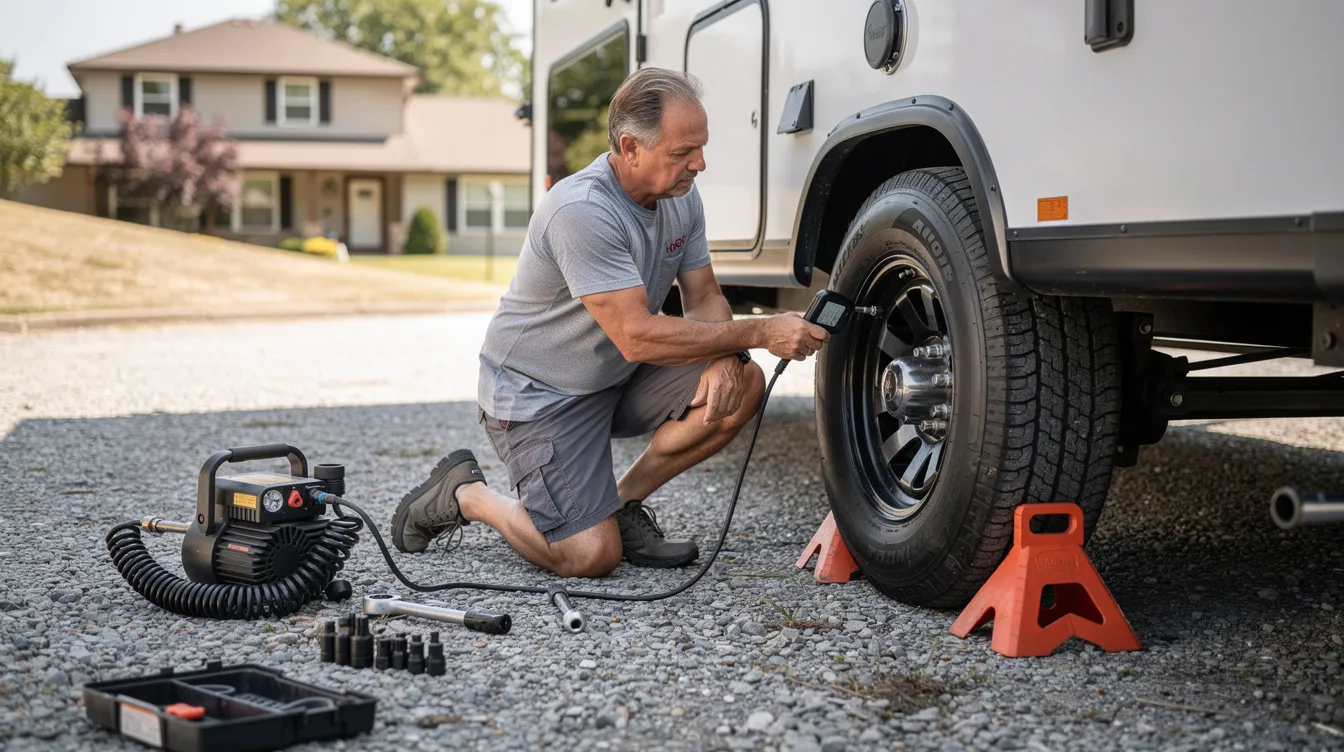
Routine maintenance includes oil changes and tire rotations for the chassis, and regular maintenance reduces the risk of roadside blowouts in campers. Safety-critical checks matter most: service brakes and bearings every 12 months, inspect tire sidewalls for age cracking, test propane regulators for leaks, and test smoke, CO, and propane alarms annually. Hitches and hitch components on fifth wheels and travel trailers should be greased and checked for wear before every long haul. |
Some tasks are realistic for handy rv owners-visual roof inspections, topping off battery water, swapping simple fixtures. Leave AC service, complex electrical wiring, propane regulator replacement, and awnings install work to professional rv service providers with the right expertise and tools. Schedule a yearly professional inspection before peak travel season (late May is ideal), covering a multi-point checklist: structural integrity, electrical, plumbing, slide-outs, and undercarriage components.
Routine maintenance protects both your camper’s resale value and your family’s vacation time. A $200 inspection today can prevent a $5,000 emergency repair on the road. Contact a trusted technician, schedule the work, and hit the road with confidence.
FAQ: Practical Questions About Camper Repairs
These questions address everyday concerns about costs, response times, and what to expect during service that the sections above didn’t fully cover.
How much do common camper repairs cost?
Minor electrical diagnosis and a fix like an AC capacitor swap typically runs $215–$325. A water pump replacement ranges from $185–$295, while roof resealing of a few linear feet can start around $150. Slide-out motor or gear replacements fall in the $485–$895 range depending on the models and mechanism type. Emergency or after-hours mobile rv repair usually carries a 25–50% premium on the service call fee. At an rv repair shop, complex jobs may include significant parts costs-a refrigerator cooling unit replacement can exceed $3,800. Always request a written estimate before work begins, and check whether warranty coverage from the rv manufacturer or component brands can reduce your out-of-pocket expenses. Ask the shop or technician if they use industry flat-rate guidebooks, which provide standard labor-hour benchmarks and help you google comparable pricing.
How quickly can a mobile RV technician usually respond?
During busy camping seasons, most mobile technicians can respond same-day to 48 hours for urgent issues like total power loss or gas leaks. In rural areas or remote boondocking sites, response times may stretch longer-sometimes 72 hours or more. To speed things up, call or message with detailed symptoms, photos, and your location coordinates so the technician can triage the problem and bring the right form of parts. For safety-critical problems, describe the severity clearly. If you’re traveling to popular destinations during holiday weekends, book a preventive service slot a week or more in advance to avoid delays. Having a technician’s contact details saved in your phone before the trip can assist you when cell service is spotty.
What should I have ready before a technician arrives?
Clear access to the camper is essential-extend slide-outs if they’re functional, lower the roof ladder, and move any vehicles blocking the work area. Have keys, remotes, and shore power or a generator ready if electrical systems need a test. Secure pets inside a vehicle or away from the work site. Compile a short written history of the issue with dates, conditions (weather, hookups, road conditions), and details of any previous repairs. Having owner’s manuals and warranty paperwork on hand saves time and helps the technician perform a faster diagnosis. Take photos or short videos of intermittent problems-flickering lights, a slide that stalls halfway, or an awning that won’t retract-so the technician can see what happens even when the issue isn’t currently active.
Can regular auto shops work on my camper?
Many general auto shops can handle tow-vehicle issues and sometimes basic chassis work on motorhomes-things like brakes, wheels, and suspension components. However, most are not equipped or trained for rv-specific systems like 120V/12V electrical, roof structures, or slide-outs. Specialized rv repair shops and mobile rv repair services have the tools, diagnostic equipment, and parts inventory tailored to rv plumbing, hvac, and electrical systems, which results in faster and more accurate repair services. Confirm in advance exactly which parts of the rig an auto shop is willing and insured to service. Use rv-focused professionals for anything involving propane, high-voltage systems, or major structural components-their expertise and certifications protect both your safety and your insurance coverage.