Whether your rig is parked in a driveway, sitting on a storage lot, or hooked up at a campground, camper repair is something every RV owner will face. This guide walks you through what rv repair covers, when to choose mobile rv repair over a repair shop, and how to keep your camper road-ready with smart maintenance and rv inspections.
Key Takeaways
Camper repair spans roofs, slide outs, electrical, plumbing, appliances, and more-many of these repairs can be handled on site by mobile rv technicians.
Mobile service saves rv owners days of waiting by bringing certified technicians directly to your campground, driveway, or storage lot.
Water is the number one enemy of RVs. Annual inspections and seasonal rv maintenance help prevent thousands in avoidable damage.
Know when mobile rv repair fits (leaks, appliances, diagnostics) versus when a full repair shop is necessary (frame damage, engine work, collision repairs).
Keep detailed records-dates, parts, photos-to protect resale value and warranty coverage.
What Camper Repair Includes (And How Mobile RV Service Fits In)
Camper repair covers the work needed to maintain and fix travel trailers, fifth wheels, and motorhomes across America. RVs require specialized equipment and training different from standard automobiles, which is why rv service is its own trade.
Core systems handled by rv repairs include:
Roof and exterior envelope (membranes, sealants, sidewalls)
Slide outs and awnings
Electrical (12V DC, 120V AC, converters, inverters, shore power)
Plumbing (fresh, gray, and black water systems, pumps, fittings)
HVAC and appliances (AC units, furnaces, refrigerators, water heaters)
Leveling, suspension, and towing components
RV repair includes electrical system troubleshooting and repairs. Plumbing services cover water heaters, pumps, and leak repairs. Appliance repairs include refrigerators, AC units, and furnaces. RV repair services often include winterization and system checks.
Routine maintenance-like a roof reseal every 12 months or wheel bearing service every 12,000 miles-is predictable. Unexpected repairs, like a dead converter or failed water heater, are not. Mobile rv repair technicians can perform repairs at your location, whether that means resealing a 2022 Forest River travel trailer roof in spring 2026 or diagnosing a stuck slide-out on a 2019 Keystone fifth wheel at a state park campsite, and local services like RV Repair Hero’s mobile RV repair in Tucson, AZ eliminate the need to tow your rig to a dealership. Mobile service typically does not include engine, transmission, or major chassis work on motorhomes-those go to a specialized shop.
Mobile RV Repair vs. RV Repair Shop: Choosing the Right Option
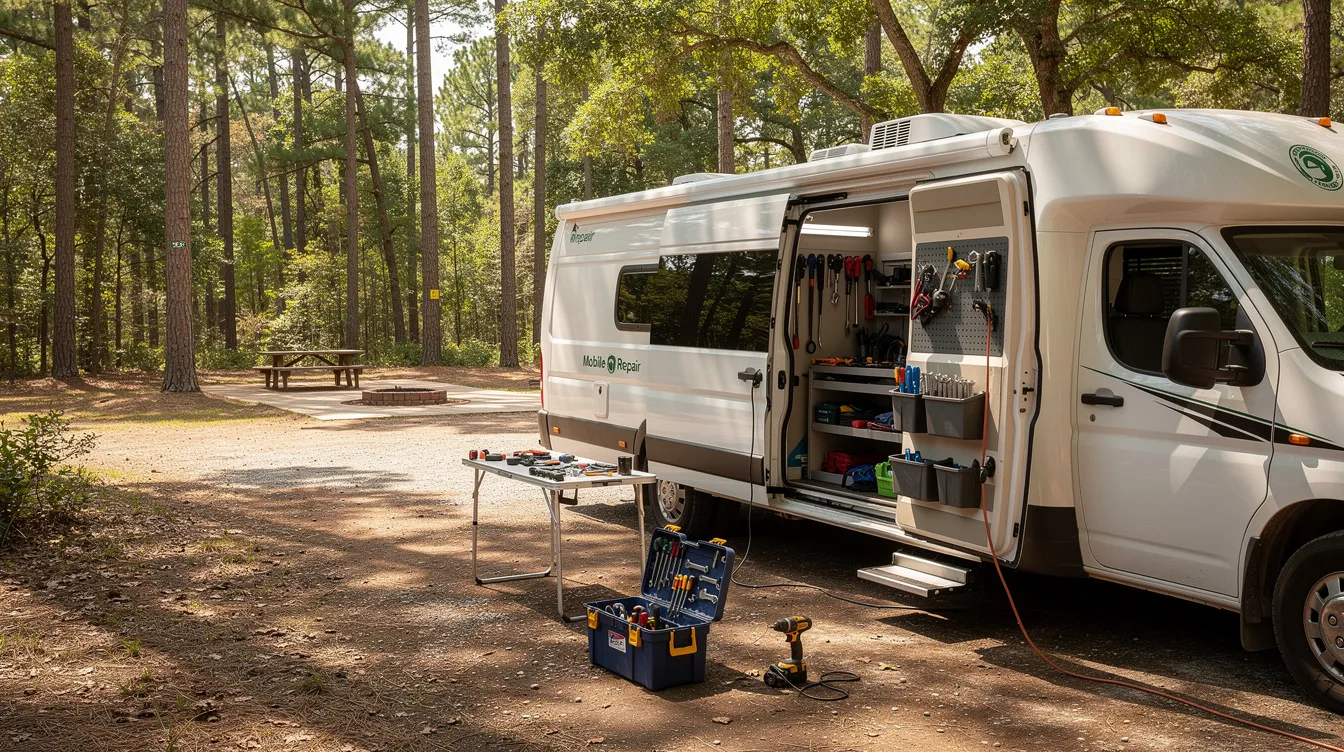
RV owners can choose between mobile rv technicians who come to them and fixed-location rv repair shops. Here’s how to choose:
Mobile rv repair is ideal for:
Electrical diagnostics and troubleshooting
Furnace or AC issues, water leaks, slide-out repairs
RV inspections at a storage lot or campground
Appliances that won’t fire or cool
A brick-and-mortar repair shop is necessary for:
Severe collision damage and frame straightening
Full roof replacement, diesel engine repairs, bodywork
Work requiring lifts, welding equipment, or paint booths
Mobile rv repair services come to your location, and over 2,500 mobile technicians are available nationwide. In many regions, including Marana, AZ mobile RV repair specialists, the standard mobile service fee is $150, with an hourly rate for rv repairs that can be $170. Mobile rv repair can save days of dealer drop-off waiting-over 22,000 unnecessary service center trips have been avoided by using mobile service instead.
When choosing a shop, clear communication is a sign of a quality repair shop, and a clean and organized shop indicates a meticulous approach to repairs. Shops might charge lower hourly labor rates but require towing and more time off the road, which can bring additional cost.
Essential RV Maintenance Every Camper Owner Should Schedule
Consistent rv maintenance helps you avoid emergency repairs during peak trip weekends. Follow a simple seasonal calendar:
Season | Key Tasks |
|---|---|
Spring | Dewinterization, roof inspection, AC test, battery check |
Summer | Tire pressure, AC filter cleaning, slide-out lubrication |
Fall | Seal inspections, furnace prep, pre-winter roof check |
Winter | Winterization of plumbing, battery tender, generator stabilizer |
Inspect seals regularly to prevent water damage-sealants degrade over time under UV exposure, leading to leaks. To prevent major rebuilds, inspect seals and areas prone to leaks frequently. Check tire pressure and condition before every trip; tires older than 5–7 years risk dry rot regardless of tread depth. |
Maintaining camper appliances requires checking power sources like propane and electrical systems. Flush your water heater tank at least once per year, sanitize fresh water systems each spring, and clean AC coils before summer. Mobile technicians can handle on-site maintenance like slide-out lubrication, awning inspection, and generator oil changes in a single visit.
Common Camper Repairs and How Mobile Technicians Handle Them
From 2024 through 2026, the most frequent issues rv owners bring to a pro are slide-out failures, roof leaks, and electrical faults. Common rv repairs include roof leaks, plumbing leaks, and electrical failures.
Slide-out repairs: Slide-out problems are common and can cost $200–$1,500. A mobile tech can diagnose failed motors, low batteries, bent rails, or faulty Schwintek control modules and often fix the issue in one visit with parts on the truck. Slide-out repairs typically cost $200–$1,500 depending on complexity.
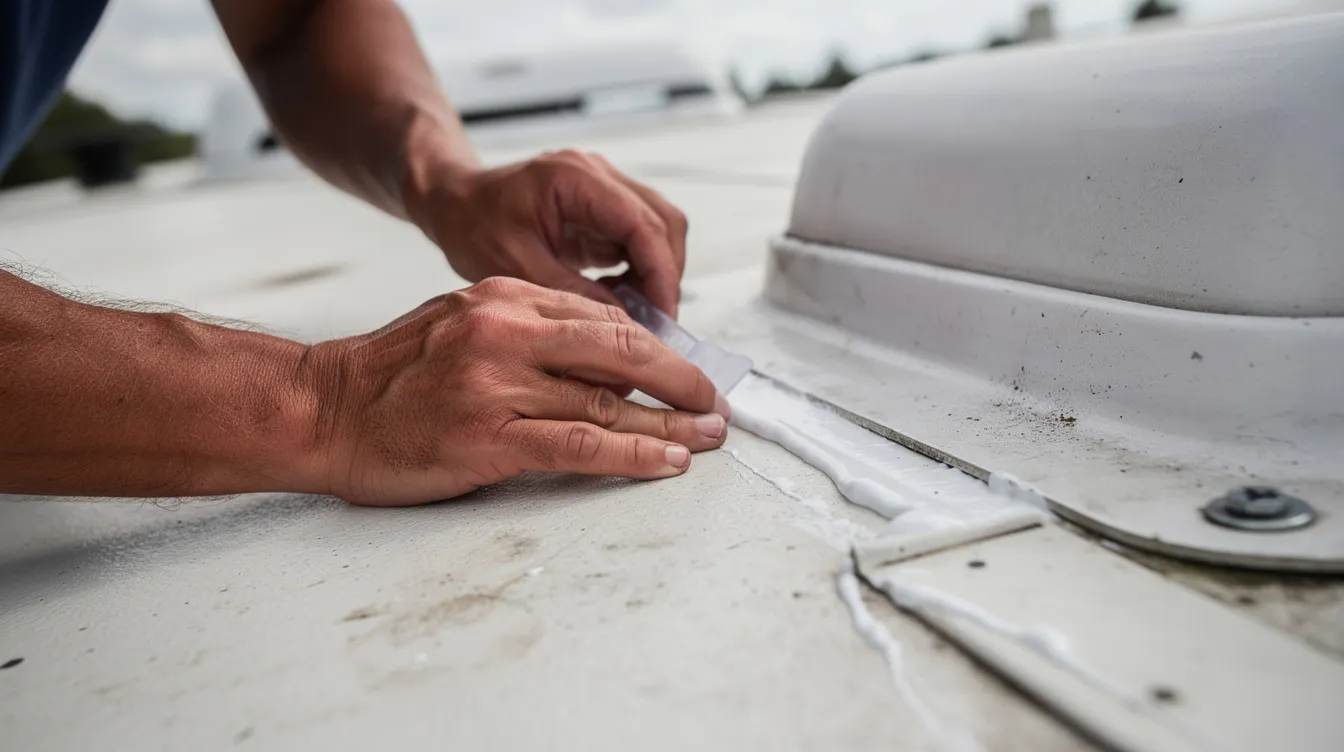
Roof and leak repairs: Tracking water stains around vents or skylights, replacing cracked vent covers, and resealing seams around antennas and air conditioners can all be done on site.
Electrical troubleshooting: Electrical system issues include AC/DC failures and battery problems. A tech will check shore power at the pedestal, test converters and inverters, find blown fuses or tripped breakers, and address 12V circuit issues affecting lights and fans.
Plumbing repairs: Plumbing issues often involve water heaters and leak repairs. RV plumbing can become loose due to vibration while traveling, causing leaks in PEX fittings or city water inlets. A mobile tech can fix these without a full tank removal.
Appliance repairs: Diagnosing Dometic or Norcold refrigerator cooling failures, servicing AC units that freeze up, and fixing water heater ignition problems are routine for a certified pro.
Notably, 40% of rv issues are resolved on the first technician call-a fast turnaround that keeps your family camping instead of waiting.
RV Inspections: Pre-Purchase, Seasonal, and Pre-Trip Checks
Professional rv inspections help buyers and current owners avoid surprise repairs. Many can be performed by mobile rv inspectors at the unit’s location.
Pre-purchase inspections for used campers should cover:
Hidden water damage (soft floors, delamination, roof sag)
Roof condition and membrane age
Tire age via DOT date codes
Full appliance operation test
Annual safety inspections include testing GFCI outlets, verifying propane system integrity, checking CO and smoke detectors, and confirming brake and light operation. Annual inspections can help prevent expensive damages in rv maintenance.
Pre-trip checks before a major road trip-say a cross-country drive in summer 2026-should address tire pressures, fluid levels in motorhomes, hitch and pin box condition for towables, and verifying slide and awning operation.
Professionals should handle major repairs like roof replacement or structural rot uncovered during an inspection. Document all findings with dated photos and written reports you can share with future buyers or warranty providers. Good records absolutely prove care and protect your investment.
Working With a Camper Repair Pro: What to Expect and How to Prepare
Before you pick up the phone or click to schedule mobile rv repair, gather this information:
Camper year, make, and model (e.g., 2020 Jayco Jay Flight 24RBS)
VIN if available
Detailed description of the issue and when it first appeared
Your location and access details (power, water, space around the rig)
Written estimates should be provided before work begins in a reliable repair shop or by a mobile tech. RV repair costs can vary widely based on the issue, and emergency rv repairs can incur additional costs, so ask upfront. Typical mobile service pricing includes a trip fee, hourly labor with a one-hour minimum, and parts.
Look for rv technicians certified by the RV Technical Institute (RVTI). In markets such as Tucson, AZ mobile RV repair services, mobile technicians are RVTAA-certified for quality service. Warranty on labor and parts is a key indicator of a reputable repair facility-ask about coverage (90-day workmanship is common) and keep invoices organized by date.
Prepare your site by clearing access to panels, storage compartments, and the roof. Level ground helps. With expertise and the right tools, a professional can diagnose and fix most issues without you needing to walk the camper to a dealer across town.
Frequently Asked Questions About Camper Repair
Can mobile RV repair handle emergency breakdowns while I’m on a trip?
Many mobile rv technicians offer same-day or next-day emergency rv repair for issues like power loss, slide outs stuck open, or water leaks at campgrounds. However, roadside towing, highway tire changes, and engine failures on motorhomes usually require roadside assistance programs and fall outside standard mobile rv repair scope. Emergency calls may bring an additional cost beyond the standard service fee.
How often should I schedule professional RV inspections?
Recommend a comprehensive rv inspection at least once a year. Schedule additional inspections before buying a used camper and before long trips exceeding 1,000 miles or multiple weeks on the road. Owners who store vehicles outdoors in wet or snowy climates benefit from semiannual roof and seal inspections-every spring and fall.
Is camper repair covered by my RV warranty or extended service plan?
Review your manufacturer’s warranty booklet and any extended service contracts to see which rv repairs and mobile service calls are reimbursable. Some plans require pre-authorization and may only reimburse work done by certified technicians or approved repair shops. Keep all invoices to apply for reimbursement. Check with your insurance provider for overlap with warranty coverage.
Can I do my own camper repairs, or should I always call a pro?
Handy rv owners can safely handle simple tasks like replacing cabinet hardware, swapping a standard faucet, or resealing small exterior seams with the correct sealant and basic tools. Recommend hiring a professional for 120V electrical work, propane gas line repairs, structural issues, major roof repairs, and slide-out realignments. Using the wrong materials-like petroleum-based sealant on an EPDM roof-can cause damage you’ll need an expert to fix. When unable to identify the root cause, don’t force it; call a pro. You can find one fast by searching on google for certified mobile rv technicians in your area or checking the page of manufacturers like Lippert or Dometic for approved providers.
How long do common camper repairs usually take?
Typical time ranges: 1–2 hours for a simple electrical fault, 2–4 hours for a slide-out motor replacement, and a full day or more for major roof repairs at a repair shop. Parts availability-especially for certain 2010–2018 models or discontinued appliances from specific manufacturers-can extend timelines by days or weeks beyond the technician’s control. Bring this up when you schedule installation or repair work so you’re ready for realistic delivery windows and can choose whether to wait or plan around it.