
Key Takeaways
An RV camper thermostat is the “brain” of your rig’s climate control system, managing your furnace and air conditioner to maintain consistent interior comfort by turning heating and cooling systems on and off as needed.
RV thermostats require 12-volt DC power to operate and are not interchangeable with most residential 24-volt home thermostats without converters and relays.
Choosing the best RV thermostats depends on your system type (single zone vs multi-zone), brand (Dometic, Coleman Mach, Furrion, GE), and desired features across analog, digital, programmable, or smart models.
Basic troubleshooting-checking power, inspecting wiring, and performing a reset-often solves issues before a full thermostat replacement is needed.
Upgrading to a modern digital or programmable thermostat can deliver precise temperature control, improved comfort, and better energy efficiency on every trip.
Introduction: Why Your RV Thermostat Matters
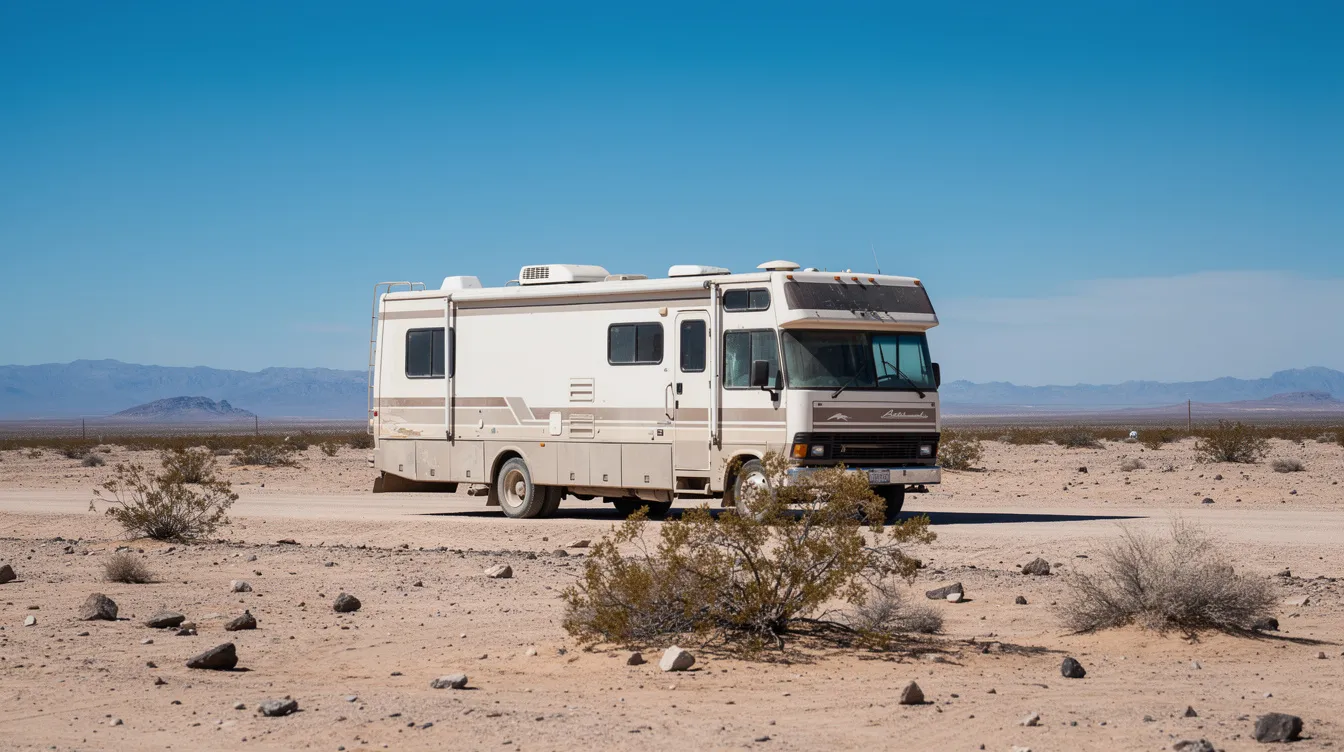
Picture a July 2026 road trip through Arizona’s Sonoran Desert. Outside, it’s 112°F. Inside your camper, everything hinges on a small device mounted on your wall: the RV thermostat. That same device keeps you warm during a 28°F October night in the Colorado Rockies. Without it functioning properly, your trip goes from relaxing to miserable fast.
An RV thermostat is the central control for your RV’s heating and cooling systems, connecting to the furnace, rooftop air conditioner, and sometimes heat strips or heat pumps. It maintains your desired temperature by turning these systems on and off automatically. Beyond comfort, thermostats help optimize energy efficiency in RV climate control, reducing propane consumption and electrical load.
Unlike residential units, RV thermostats are designed specifically for 12-volt systems, road vibration, and fluctuating shore power or generator conditions. This guide covers everything you need: types of rv thermostats, brand compatibility (including the Dometic Comfort Control Center and Coleman Mach lines), troubleshooting, replacement, upgrades, and frequently asked questions. All information is current to mid-2026 and reflects equipment found in model years roughly 2010–2026.
What Is an RV Thermostat and How Does It Work?
An RV thermostat is a low-voltage (typically 12-volt DC) control device that turns heating and cooling appliances on and off to maintain a set interior temperature. It’s the interface between you and the climate systems in your rig.
Here’s how it works in simple terms: a built-in temperature sensor reads the room temperature and compares it to your set point. When there’s a gap, the thermostat sends signals to the appropriate equipment-your propane furnace, a 13,500–15,000 BTU rooftop A/C unit, electric heat strips, or in some newer rigs, a ducted heat pump system. Common modes for RV thermostats include Cool, Heat, and Fan.
There are two main control architectures:
Single zone control – one thermostat manages one main area. Many RVs under 35 feet can function adequately with single-zone control.
Multi-zone control – one wall controller manages two to four zones with remote sensors, common on larger RVs like fifth wheels and Class A motorhomes. Multi-zone capability allows independent temperature control in different RV areas.
RV thermostats can be analog, digital, programmable, or smart. Many RVs built since around 2015 use digital wall thermostats from Dometic, Coleman Mach (Airxcel), Furrion, or GE that integrate fan speed, mode selection, and sometimes humidity modes. While the housing looks similar to a home thermostat, the wiring logic, voltage, and communication with control boards are entirely RV-specific.
Types of RV Thermostats (Analog, Digital, Programmable, Smart)
RV thermostats fall into four broad categories, each offering different levels of temperature control and modern features.
Analog thermostats use mechanical sliders or dials to set temperature. They’re simple and reliable for basic temperature control, often found on older rigs (pre-2010) and budget models. The trade-off: wider temperature swings and less precision. Older thermostats may lack modern features like programmability.
Digital non-programmable thermostats feature LCD or LED displays with push-button settings. Digital thermostats provide precise temperature control within one degree, a significant upgrade over analog units. These are the most common Dometic and Coleman Mach wall units on the market today.
Programmable thermostats allow users to set temperature schedules-day/night setbacks, weekday/weekend routines, or away modes. Models like the Dometic Comfort Control Center II and CT-series units with scheduling capabilities fall here.
Smart thermostats add WiFi or Bluetooth connectivity for smartphone app control. Smart thermostats can be controlled remotely via smartphone apps, making them ideal for monitoring your RV while away. The Micro-Air EasyTouch RV line is a prominent example designed specifically for rv use.
Not all cooling systems support smart upgrades without additional control boards or adapters. When choosing, think about your camping style: full-time versus weekend, hookups versus boondocking. A basic analog replacement suits occasional users, while a programmable or smart unit matches the preferences of full-timers who want automation and remote access.

What All RV Thermostats Have in Common (and How They Differ from House Thermostats)
Nearly all RV thermostats run on 12-volt DC power supplied by the RV’s house battery bank or by a control board, while residential thermostats commonly use 24-volt AC power from a home HVAC transformer. This voltage difference is the single biggest reason you can’t simply swap in a house thermostat.
At a functional level, an RV thermostat acts as a low-voltage switch that tells relays and control boards when to:
Energize the furnace blower and burner
Start the A/C compressor and fan
Activate heat strips or heat pump reversing valves
Adjust fan speed (low, high, auto)
Because of the different voltage and control schemes, a typical smart home thermostat-those popular 24-volt WiFi models-is not plug-and-play compatible with RV systems. RV thermostats are also engineered for mobile conditions: vibration, wide temperature swings, occasional low battery voltage, generator starts, and shore-power brownouts.
The use of an auto fan setting helps to save energy in RVs by running the fan only during active heating or cooling demand. In multi-zone systems, the thermostat adds zone selection with separate set points per area.
Understanding these basics is critical before attempting any DIY upgrade or cross-brand swap.
Popular RV Thermostat Brands and Models
Most modern RVs (2015–2026) use climate systems from a handful of major brands, each with its own thermostat ecosystem. Here’s a reference table of notable models:
Brand | Model | Type | Key Feature |
|---|---|---|---|
Dometic | Comfort Control Center II | Digital, multi-zone | Up to 4 zones, remote sensors |
Dometic | 3316250.712 CT | Digital, single zone | Maintains temperature within one degree |
Coleman Mach | 7330-3861 | Analog | Reliable analog thermostat for basic heat/cool |
Coleman Mach | 9430A3392 | Digital | Backlit LCD, fan high/low, matches 9-series control boxes |
Furrion | CHILL | Digital, single zone | Modern design and LED display |
Micro-Air | EasyTouch RV 352C | Smart, touchscreen | Features a 3.5-inch color touchscreen |
Dometic offers the Comfort Control Center II for multi-zone rigs-supporting up to four zones with remote sensors, filter maintenance reminders, and multiple heat source control. The Dometic Comfort Control Center II supports multi-zone climate management. Their CT single zone models like the 3316250.712 provide digital precision for simpler setups. |
Coleman Mach (Airxcel) covers everything from basic analog cool-only units to matched digital thermostats for popular rooftop A/C units. Their 2025 catalog shows that 9-series digital components are not backward compatible with older 8-series control boxes-an important detail when replacing equipment.
Furrion CHILL wall thermostats appear on many newer travel trailers and fifth wheels, typically as single-zone LED units that match Furrion rooftop A/Cs with simple heat/cool/fan modes.
GE RV air conditioner wall thermostats serve as universal replacements for many ducted or non-ducted GE units. Suburban heat-only thermostats (like the Suburban 161154) handle furnace-only systems in smaller campers.
Wi-Fi enabled thermostats allow remote temperature monitoring and control. Aftermarket brands like Micro-Air (EasyTouch RV) sell replacement and upgrade thermostats compatible with select Dometic and Coleman Mach systems for customers seeking touchscreens or improved digital readouts.
Choosing the Best RV Thermostat for Your Rig
“Best” depends on compatibility, features, and budget-not just brand name. A mismatched new thermostat can leave your RV without working heat or cooling entirely. Thermostat replacement must match your RV’s specific HVAC system.
Start by checking your existing wiring and system:
Locate the model number on the thermostat face or behind the cover
Identify your furnace and rooftop A/C brands (e.g., Dometic Brisk II, Coleman Mach 15)
Determine whether the system uses single zone control or multi-zone
The right thermostat depends on several decision factors:
Zones needed – single vs multi-zone
System scope – furnace + A/C, cool only, or heat only
Features – programmable schedules, smart app control, screen readability
Installation comfort – willingness to DIY wiring vs hiring a technician
For use-case recommendations: a basic analog replacement works for older RVs, digital non-programmable suits renters or occasional users, programmable or Comfort Control Center-style units fit full-timers, and smart thermostats serve tech-savvy RVers who want remote monitoring.
Boondockers should prioritize thermostats that allow fine control over fan modes to conserve battery power and minimize generator runtime. Many rvers staying at full-hookup campgrounds can favor comfort and automation instead.
For many 2015–2024 fifth wheels and Class A coaches, the best rv thermostats will be direct OEM replacements from Dometic or Coleman Mach digital lines due to existing multi-zone wiring and control boxes. Always verify compatibility charts and wiring diagrams before purchase, especially when mixing brands or upgrading from analog to digital.
Resetting and Troubleshooting an RV Thermostat
Many thermostat issues-unresponsive display, incorrect modes, fan stuck on, A/C not engaging-can be resolved with basic checks before assuming the unit has failed.
Common reset methods for digital RV thermostats:
Use a recessed reset button (often on the side or back of the unit)
Hold specific button combinations while powering on
Disconnect 12-volt power by pulling the house fuse for 30–60 seconds
A hard reset may fix a malfunctioning RV thermostat. Always consult the exact model’s manual for the correct procedure.
Follow this logical troubleshooting sequence:
If the thermostat is unresponsive, check the power supply and fuse
Verify 12-volt power at the thermostat terminals-check thermostat function with a volt meter
Inspect wiring connections for loose screws or corroded terminals
Confirm the mode and set point are appropriate for the season
Thermostat issues often stem from bad wiring or lack of power. To separate thermostat problems from equipment problems: if the furnace blower runs but produces no heat, the issue is likely the furnace itself. If the A/C fan runs but the compressor does not, the rooftop unit or its control board may be at fault.
A useful diagnostic: if wires touch (bypassing the thermostat) and the system works, the thermostat itself needs replacement. However, uncertain owners should defer to an RV technician to avoid damage or safety hazards, and RVers traveling or based in southern Arizona can rely on mobile RV repair services in Marana, AZ for on-site diagnosis and thermostat repairs.
RV thermostats typically last 10–15 years. Erratic behavior in a 12-year-old analog unit may justify replacement rather than repeated troubleshoot cycles.
Replacing or Upgrading an RV Thermostat Safely
Replacing an RV thermostat ranges from a simple wall-plate swap to a more complex project involving new control boards, especially when switching from analog to digital or upgrading brands.
Preparation steps:
Disconnect 12-volt DC power (remove the house fuse or disconnect battery) and shore power if connected
Take clear photos of existing wiring before removal
Label each wire according to both its color and terminal marking
For a like-for-like replacement (e.g., Dometic CT to newer CT, Coleman Mach digital to updated digital): remove mounting screws, gently pull the thermostat away from the wall, transfer each wire to the same terminal on the new unit, mount, and test. Installation can be completed in under 30 minutes for simple models. Consult YouTube for tutorials on RV thermostat installation if you need visual guidance.
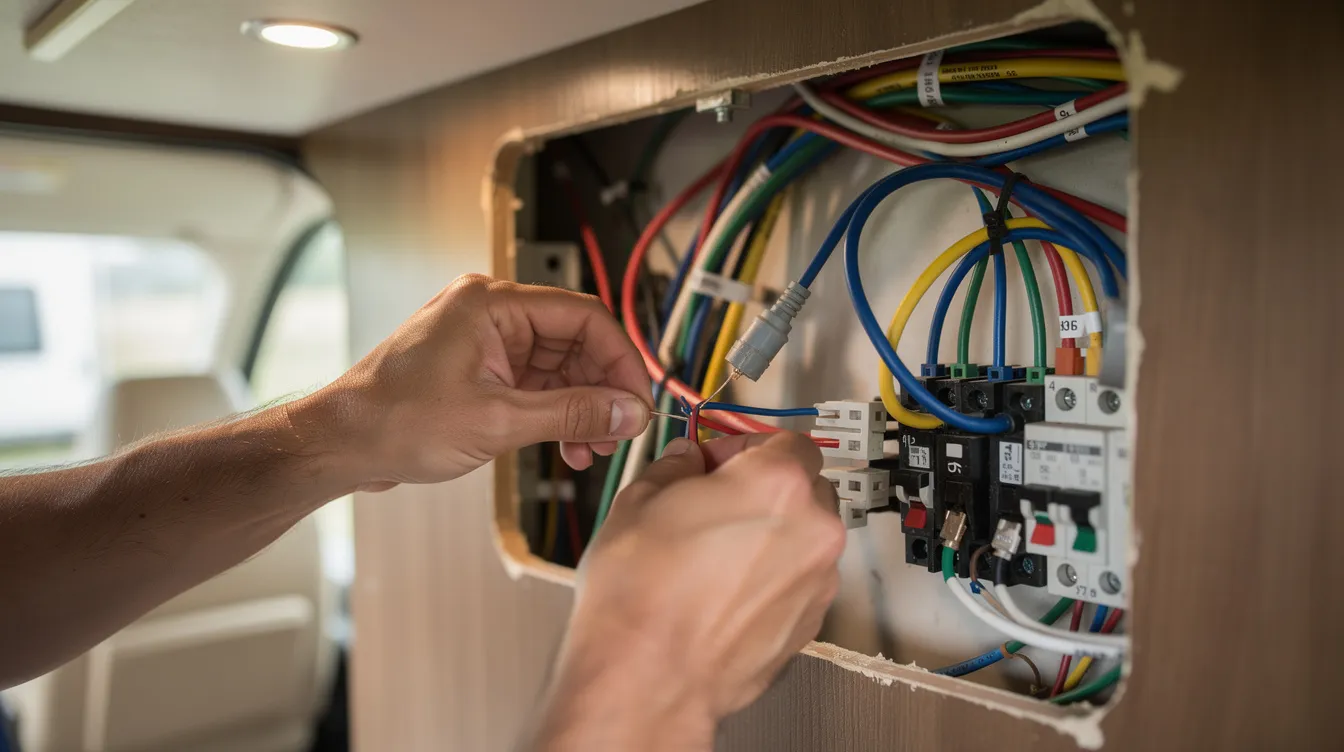
For upgrades from analog to digital or from single zone to multi-zone, the project typically requires a compatible control box at each A/C unit and possibly additional wiring runs. These projects should follow the manufacturer’s schematic exactly. Installation may require rewiring for non-RV specific thermostats.
Aftermarket smart thermostats designed for specific Dometic or Coleman Mach models may include adapters or wiring harnesses. Follow the brand’s RV-specific installation guide-never a generic home thermostat guide.
For complex multi-zone systems, older coaches with undocumented modifications, or integration with central RV control systems, professional installation is strongly recommended. Incorrect wiring can damage expensive furnaces and A/C units.
Always test all modes-cool, furnace, fan, auto, each zone-before putting the thermostat back into full-time operation.
Smart and Programmable RV Thermostats: Comfort, Efficiency, and Control
Programmable and smart thermostats allow you to schedule temperature changes and remotely monitor conditions, improving comfort while reducing energy and propane use.
Programmable thermostats can adjust temperatures based on schedules. Typical programmable features include:
Day/night temperature setbacks
Weekday/weekend schedules
Vacation or “away” modes that keep the RV just warm or cool enough to protect pets and systems
Smart thermostat advantages go further for RV life: remote monitoring via smartphone when away from the campsite, alerts if interior temperatures rise dangerously, and the ability to adjust settings before returning from a hike. The Micro-Air EasyTouch RV 352C features a 3.5-inch color touchscreen and is compatible with select Dometic and Coleman Mach systems. Some OEM Bluetooth-enabled single zone Dometic thermostats pair with manufacturer apps for short-range control.
Connectivity does have limitations. WiFi access at campgrounds vary in quality, hotspot or cellular routers may be needed, and Bluetooth range is typically limited to about 30 feet. Intermittent internet can affect remote monitoring features.
Programmable thermostats can reduce short-cycling of the furnace and air conditioner, extending equipment life and lowering generator runtime-especially valuable when boondocking with limited battery and fuel reserves.
Always verify that any programmable or smart thermostat you consider is specifically rated for 12-volt rv use and compatible with your exact furnace and A/C model.
Energy Efficiency, Comfort, and Proper Thermostat Use
Every degree of set point directly affects propane consumption and electric load on your 30-amp or 50-amp RV service. Getting your thermostat settings right matters more than many rvers realize.
Practical set-point suggestions:
Season | Occupied | Away/Night |
|---|---|---|
Summer (cooling) | 74–78°F | Slightly higher |
Winter (heating) | 68–72°F daytime | 66–70°F overnight |
Fan modes influence comfort and humidity. AUTO typically cycles with the compressor or burner to save energy, while ON evens out temperatures but draws slightly more power. In humid climates, AUTO mode during cooling helps dehumidify more effectively. |
Avoid making large temperature adjustments on RV thermostats. Gradual changes prevent the furnace or A/C from running at full output for extended periods, reducing strain and cycling. Use programmable or smart features to stage these shifts automatically.
Proper placement of the thermostat can affect its temperature reading accuracy. Keep the sensor away from direct sunlight, cooking areas, exterior doors, and supply vents that blow directly on the unit. Cleaning the thermostat can improve sensor accuracy by removing dust or debris that insulates the sensor from ambient air.
Pair good thermostat habits with other comfort strategies: reflective window covers, vent fans, skirting in winter, and regular filter cleaning on rooftop A/C units. These combined efforts not only save money but also reduce wear on high-value components like rooftop A/C compressors and furnace blowers.
Maintenance Tips and Expected Lifespan of RV Thermostats
Most quality RV thermostats last about 10–15 years, though some analog models can function longer if well maintained and not exposed to moisture or physical damage. HVAC maintenance can prolong system lifespan and improve performance across your entire climate control setup.
Simple maintenance tasks:
Gently dust or vacuum around the thermostat housing to keep the sensor clear. Dust and dirt accumulation can impair thermostat function.
Ensure no vents blow directly on the unit, which causes inaccurate readings and short-cycling.
Check for spiders, insects, or corrosion in and around the wiring cavity.
Regular battery checks in digital thermostats can prevent power loss and random resets or blank screens.
Inspect wiring terminals at least once a season for looseness due to vibration, especially before long trips or after traveling rough roads. For smart thermostats, install firmware updates via the app when convenient to maintain security and add bug fixes.
Signs it’s time for a replacement:
Inconsistent temperature control (swings beyond a few degrees)
Unresponsive buttons or a display that fades in warm weather
Modes that randomly switch
The unit only works when wires are jiggled
Replacing a failing thermostat proactively can prevent uncomfortable nights and potential furnace lockouts during cold snaps. Maintaining your thermostat is one of the simplest ways to keep your rig’s climate system operating reliably season after season.
RV Thermostat FAQ
These answers address common questions that go beyond the main sections, focusing on practical decisions RV owners face.
Can I use a regular house thermostat in my RV?
Most residential thermostats are designed for 24-volt AC home systems, while RV thermostats use 12-volt DC. This makes them electrically incompatible in almost all cases. Even if some advanced DIYers have adapted house thermostats with extra transformers or relays, this approach is not recommended for typical RV owners due to safety and warranty concerns. Installation may require rewiring for non-RV specific thermostats, adding cost and complexity. It’s safer and usually easier to choose a thermostat specifically built and rated for rv use and for your furnace and A/C brand.
How do I know if my RV thermostat is bad or if the furnace/A/C is the problem?
Use a simple diagnostic approach: if nothing turns on in any mode (heat, cool, fan), suspect power or the thermostat. If some functions work (fan operates normally) but others don’t (no furnace heat, A/C compressor won’t start), suspect the affected appliance or its control board. You can try a temporary bypass test-touching certain control wires together while following a wiring diagram-but only if you’re comfortable with electrical work. If wires touch and the system works, the thermostat needs replacement. Intermittent display issues, random mode changes, or needing to tap the thermostat for it to respond are strong indicators of thermostat failure rather than furnace or A/C trouble.
Is it worth upgrading to a smart RV thermostat if I mostly stay at full-hookup campgrounds?
Smart thermostats can still deliver real value at full-hookup sites. Remote monitoring lets you check on pets or valuables from your phone, and fine-tuned scheduling keeps the interior at your desired temperature without manual intervention. Stable shore power at full-hookup campgrounds gives smart thermostats a reliable energy source, making WiFi connectivity and app control easier to maintain. Weigh the cost, installation complexity, and quality of campground WiFi or your own hotspot before deciding. Even non-smart programmable thermostats offer a significant solution for improved comfort and efficient scheduling over basic analog models.
Where should the RV thermostat be mounted for best performance?
The thermostat should sit on an interior wall about chest height, away from direct sunlight, cooking areas, exterior doors, and supply vents that blow directly on it. Mounting near large windows, in narrow hallways with poor airflow, or directly above heat sources like refrigerators leads to inaccurate readings and frequent short-cycling. When relocating a thermostat, follow manufacturer guidelines, ensure proper cable routing, cap any old wiring locations, and seal previous wall openings to prevent drafts from affecting the sensor.
Can I control multiple RV air conditioners with a single thermostat?
Multi-zone thermostats, such as the Dometic Comfort Control Center II or certain Coleman Mach multi-zone controllers, are designed to control two to four rooftop air conditioners from one wall unit using zone selection buttons. Retrofitting multi-zone control into a rig originally wired for single zone usually requires new control boards, wiring harnesses, and additional temperature sensors-making it a more advanced project suited for larger rvs. RV owners interested in multi-zone upgrades should consult an RV HVAC specialist or carefully follow brand-specific upgrade kits rather than attempting ad-hoc wiring changes that could damage expensive equipment.