
It sounds impossible-your RV AC freezes up in hot weather, right in the middle of July. But it happens constantly, and the fix is usually simpler than you think. This guide walks you through why it happens, how to diagnose it, and what to do so you’re not sitting in a sweltering camper waiting for ice to melt off your evaporator coil.
Key Takeaways
An RV air conditioner usually freezes up during hot weather due to restricted airflow or low refrigerant levels, not simply because the system is “working too hard.”
Dirty air filters, clogged evaporator and condenser coils, and blocked vents are the most common reasons your AC unit ices over in summer.
When you spot a freeze, shut the air conditioner off, switch the fan to HIGH, let the ice thaw for a few hours, then inspect filters, coils, and ductwork before restarting.
Low refrigerant, a bad thermostat, or a misaligned baffle inside the AC unit can also cause repeated AC freezing and typically need professional help.
Regular maintenance-cleaning filters every 2–4 weeks and coils at least once a year-prevents most RV air conditioner freeze-ups.
Why Your RV AC Freezes Up in Hot Weather
During July and August heat, your RV air conditioner pulls warm return air through a ceiling grille and across the evaporator coil, where refrigerant absorbs heat. That refrigerant then travels to the condenser coils on the roof, rejecting heat into the outdoor air. The system depends on a constant stream of warm air moving across the indoor coil to keep everything in balance.
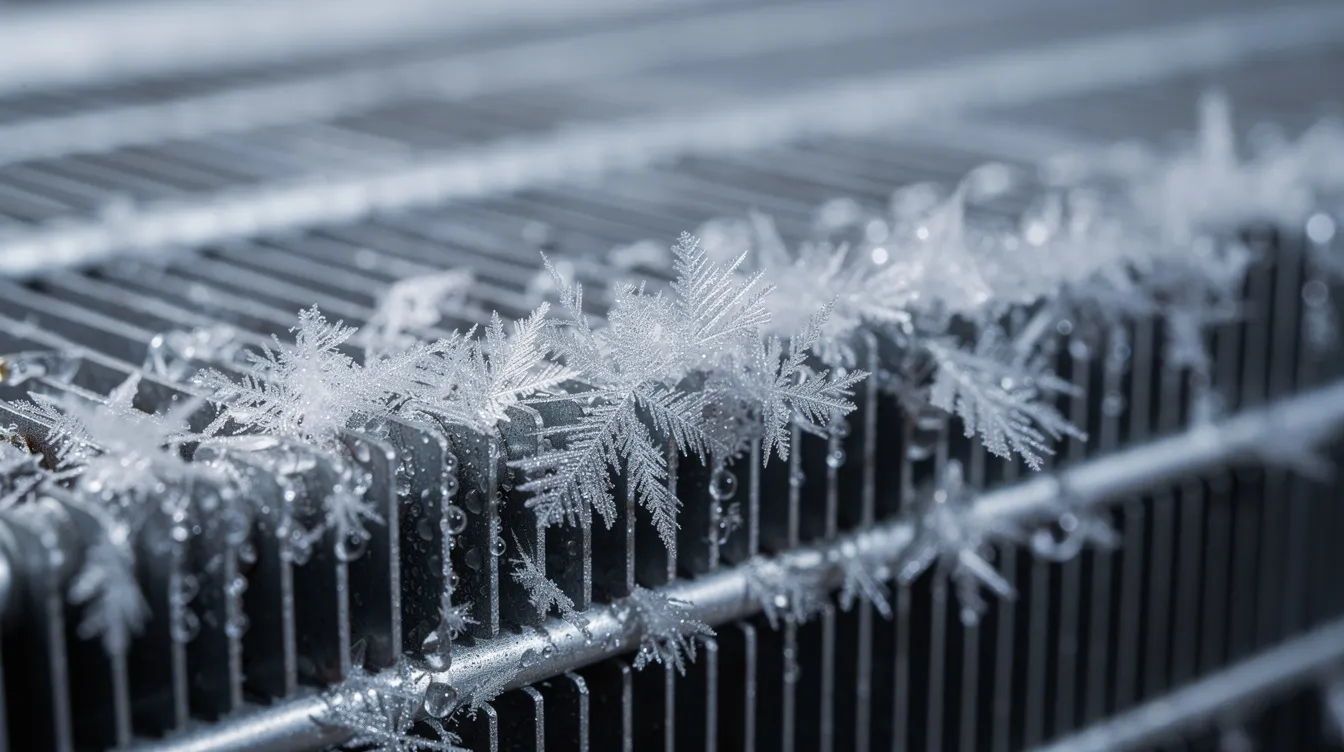
When that balance breaks, things freeze. Freezing up” looks like white frost or solid ice forming on the evaporator coil, cold air suddenly getting weaker from your vents, and airflow dropping to almost nothing. In 90–100°F weather, the system is already under heavy load, so even small airflow restrictions or slightly low refrigerant can drop the coil temperature below 32°F.
High humidity makes it worse. Humidity in the air provides moisture that can freeze on the evaporator coils. In climates like Florida and the Gulf Coast, the latent moisture load is enormous-any drop in air flow across the coil means that moisture turns to ice instead of dripping harmlessly into the drain pan. Repeatedly running a frozen unit risks compressor damage and can shorten the life of the entire AC unit; if you’re in southern Arizona, a mobile service like RV Repair Hero’s Tucson-area RV repair technicians can inspect the system on-site.
How an RV Air Conditioner Freezes: The Basics
The refrigeration cycle is straightforward: a compressor pushes refrigerant through the evaporator coil inside the RV (absorbing heat) and the condenser coils on the roof (releasing heat). A blower fan moves air across both sides. When airflow slows or refrigerant pressure drops, the evaporator coil surface falls below freezing and any moisture in the air becomes ice instead of water.
Normal condensation is healthy-water beads on a cool coil, drips into a pan, and exits through drain lines. Ice buildup is the opposite. It insulates the coil, blocks cold air output, and creates a feedback loop where less air flow means colder coil means more ice. Here’s the contrast:
Healthy coil: Surface is wet and cool, condensation drips freely, supply vents push steady cool air.
Freezing coil: Surface is frosted or solid ice, airflow is muffled, ceiling vents may sweat or drip inside the RV.
Both dirty air filters and a dirty evaporator coil produce the same result-low heat absorption and rapid AC freezing.
Common Causes of RV AC Freezing in Hot Weather
Most freeze-ups trace back to a handful of specific, fixable issues. The common reasons include dirty air filters, clogged evaporator and condenser coils, restricted ducts and vents, low fan speed, low refrigerant, thermostat problems, and internal air leaks between hot and cold air streams. In most cases, the culprit is an airflow issue you can diagnose without tools.
Some symptoms overlap-both dirty coils and low refrigerant can produce ice on the evaporator and weak cold air at the vents. Start with the simple, no-tools checks (filters and vents) before assuming you have a refrigerant or electrical problem. The subsections below help you pinpoint each cause and decide what can be fixed with a bit of effort versus what needs a technician.
Dirty Air Filters Restricting Airflow
Dirty air filters are the single most common hot-weather cause of RV AC unit freeze-ups. Clogged air filters block warm air from passing over the evaporator coils, and with less heat transfer, the coil temperature drops below freezing. Filter restriction can reduce airflow by 50% or more when significantly clogged.
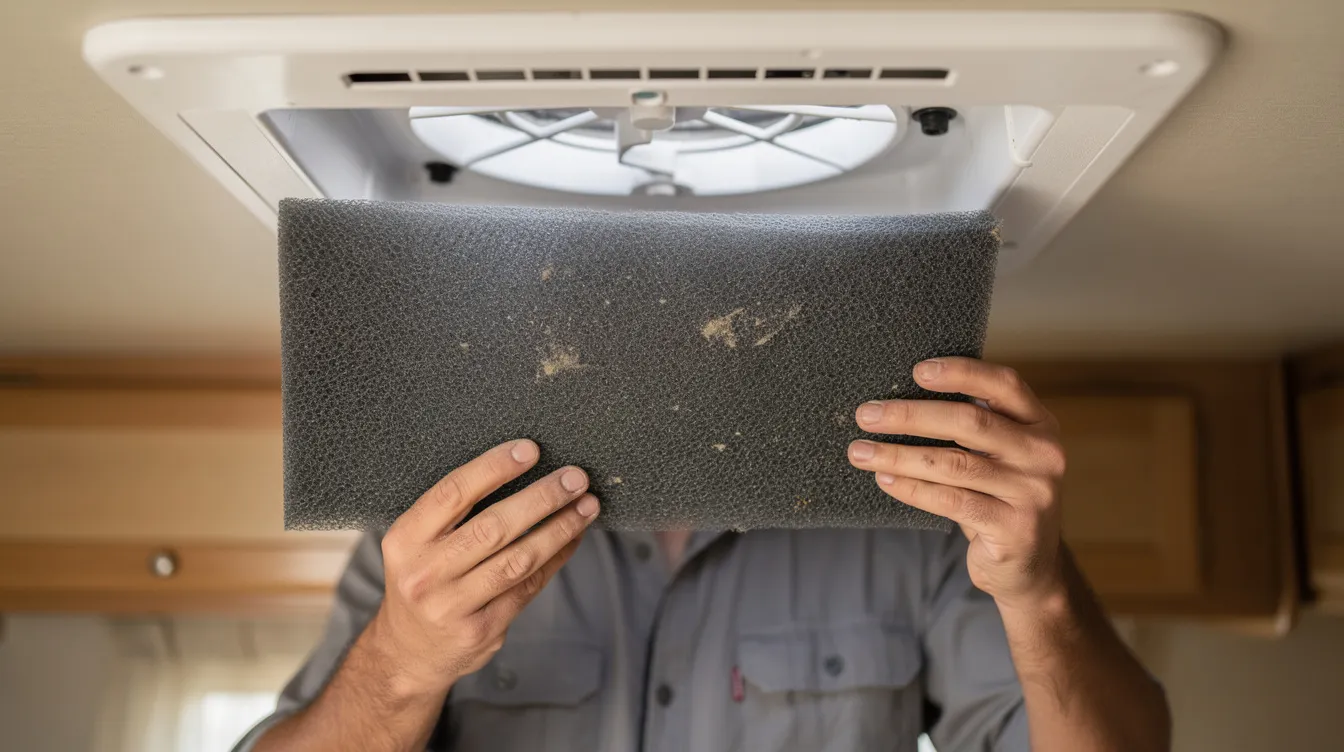
Foam or pleated filters in ceiling returns become coated with dust, pet hair, and pollen after just a few weeks of summer camping. Replace or clean air filters monthly for optimal performance-every 2 weeks during peak season in dusty campgrounds. Regularly cleaning air filters helps maintain airflow across the evaporator coil.
Running with no filter is not a solution. Without a filter, dirt collects directly on the evaporator coil and blower wheel, which is harder to clean later. To maintain your filter:
Turn off power at the breaker.
Remove the interior intake grille and pull the filter out.
Hold it up to light-if you can’t see through it, it’s overdue.
Wash reusable foam filters with mild soap and water; let them dry completely before reinstalling.
If the filter is brittle or torn, get a replacement.
Dirty Evaporator & Condenser Coils
The indoor evaporator coil can become matted with dust, lint, and kitchen grease over time-acting like a second hidden air filter. Dirty evaporator coils can prevent proper heat exchange, causing ice. Dust and debris on the metal fins stop proper heat exchange in the evaporator coils, so inspecting the evaporator coil for dust and debris can prevent airflow restriction and icing.
On the roof, condenser coils clog with cottonwood fluff, bugs, and road grime. When the condenser can’t reject heat efficiently, back-pressure rises and the system runs colder inside. Both sets of dirty coils reduce heat exchange efficiency and make AC freezing more likely on hot days when the air conditioner runs for hours.
Clean evaporator and condenser coils to improve airflow. Use a foaming coil-safe cleaner and gentle brushing-never a pressure washer on evaporator fins, as it bends them and worsens the problem. Schedule at least annual coil cleaning each spring, with more frequent checks in high-dust regions.
Blocked Vents, Ducts, and Airflow Leaks
Closing too many supply vents or blocking returns with furniture and bedding starves the coil of warm air. Check that all vents are open to maintain airflow across the evaporator coils. Keeping supply and return vents unobstructed is crucial for optimal airflow in an AC unit.
Typical RV duct problems include crushed flex duct near joists, sharp bends without turning vanes, and leaky joints that dump cold air into the ceiling cavity. A poorly sealed AC baffle can cause cold air to leak back into the return air path, leading to ice. Use foam gaskets and aluminum HVAC tape to seal leaks between the supply and return plenums inside the rooftop unit. Do a quick visual inspection under the interior shroud to verify that the flow divider properly separates hot and cold air paths.
Fan Speed, Thermostat Settings, and Long Run Times
Running the fan on low instead of high during high heat reduces the volume of moving air across the evaporator, and the coil temperature can easily drop below freezing. Run the fan on high to prevent ice formation, especially during the hottest part of the day. Using a higher fan speed is recommended for effectiveness in hot and humid conditions. Reserve auto or low settings for cooler, more moderate conditions.
Setting the thermostat excessively low can cause the compressor to run continuously while the coil freezes. If it’s 100°F outside and you set the thermostat to 60°F, the compressor will never cycle off. Adjust thermostat gradually to avoid freezing issues-make changes of 2–3°F at a time and aim for a comfortable temperature in the middle of the 70s, not refrigerator-cold.
Watch for a thermostat that short-cycles or fails to shut the compressor off. These symptoms often point to a faulty sensor or wiring issue that needs professional attention.
Low Refrigerant and Mechanical Issues
RV air conditioners are factory-sealed systems. They don’t “use up” refrigerant, so low refrigerant levels can lead to freezing in AC units only when there’s a leak. Low charge reduces suction pressure, causing the evaporator coil to run too cold and ice over even when airflow is normal. Inspect for low refrigerant levels if freezing occurs after you’ve ruled out airflow causes. A healthy system should produce a 24–30°F temperature drop between intake and supply air.
Checking and doing a recharge on refrigerant must be handled by a certified HVAC technician-DIY attempts risk damage and legal issues with refrigerant handling. Weak airflow despite clean filters may indicate issues with the blower or fan motor, a failing capacitor, or an iced-over expansion device. Repeated freeze-ups after cleaning filters and coils are a strong sign to schedule professional service, and Tucson RV owners can turn to mobile RV AC repair in Tucson, AZ for on-site diagnostics.
Step-by-Step: What to Do When Your RV AC Freezes Up
Picture this: you’re parked in August heat, and your air conditioner is suddenly blowing weak, warm air. The ceiling vents are sweating. Here’s what to do:
Turn off the cooling mode immediately. Operating the AC unit with heavy ice buildup restricts airflow and prolongs problems.
Switch the blower to fan-only on HIGH. Open interior doors and all vents.
Place towels or a shallow pan beneath the unit to catch condensate as the coil defrosts.
Wait 2–4 hours. Do not chip ice off the evaporator with tools-you’ll damage the fins.
Once ice is gone, restore power. Run the fan briefly, then test cooling while monitoring for returning frost or abnormal compressor noises.
Turn off power at the breaker before removing any shrouds or working near electrical components.
How to Inspect Filters, Coils, and Ducts After a Freeze-Up
After any AC freezing episode, a thorough inspection prevents a repeat within a day or two.
Filters: Remove the interior intake grille, pull the filter, and examine it against bright light. Clean or get a replacement if needed.
Evaporator coil: With the interior shroud removed, look for dust mats, bent fins, or remaining ice. Inspect coils for bent fins and repair as needed using a fin comb.
Condenser coils (roof): Safely access the RV roof, remove the outer shroud, and check for dirt, bugs, and bent fins blocking airflow. Check for insect nests in the AC shroud regularly-wasps and mud daubers love the sheltered position.
Ducts: Feel for strong output at multiple vents and listen for whistling that could indicate hidden duct leaks.
Preventing AC Freezing in Extreme Heat and Humidity
Think of this as your summer-prep checklist before heading to Texas, Arizona, or Florida.
Clean or replace air filters at least once a month during June–September. Clean evaporator and condenser coils monthly during heavy-use periods.
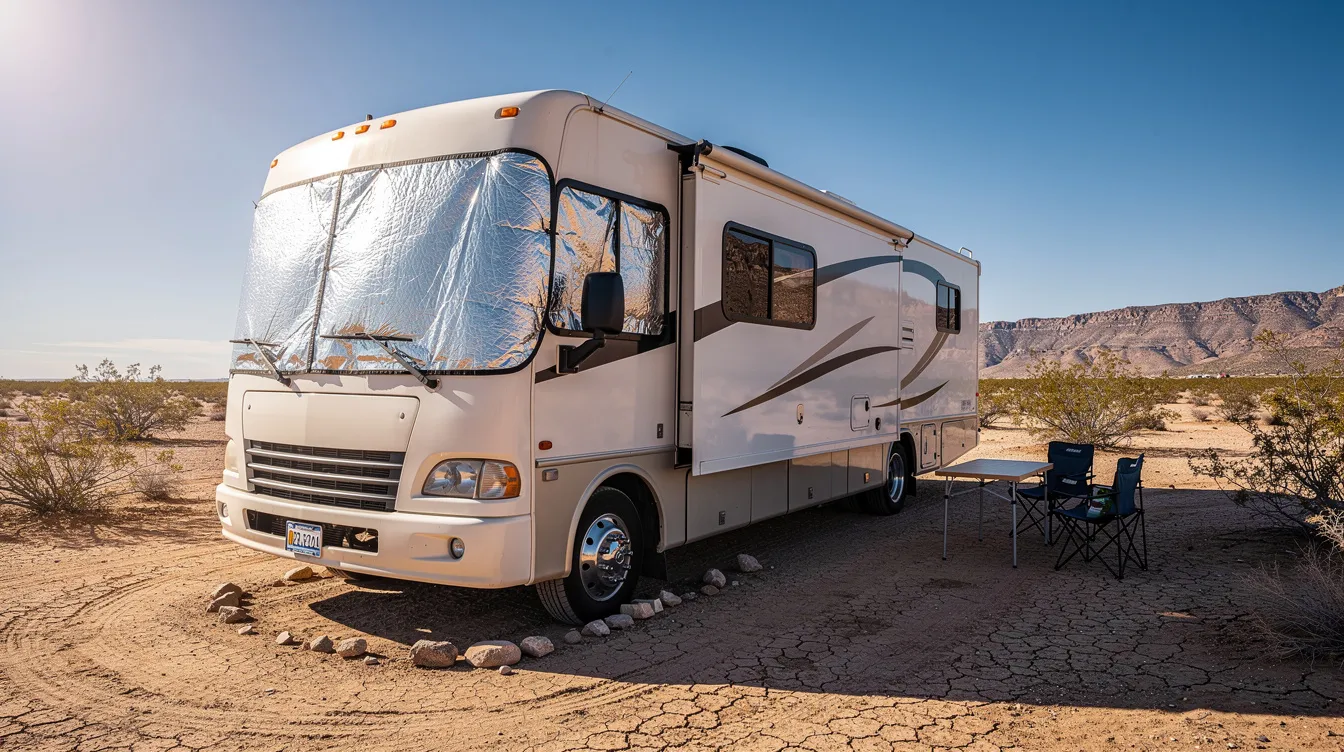
Run the AC fan on high to prevent freezing, pre-cool the RV in the morning, use reflective window shades, and limit oven use in the afternoon. Reducing heat gain inside an RV can help prevent compressor strain and freezing of the AC unit.
High humidity can overload an AC system, causing freeze-ups. In humid climates, a small dehumidifier or portable fan can reduce moisture load on the air conditioner and minimize icing risk.
Owners of older trailers should evaluate insulation, roof seals, and window shading. Poor insulation increases run time and makes freeze-ups more frequent. Also make sure your campground power supply delivers steady voltage above 110V-under-voltage weakens the fan motor and contributes to freezing.
When to Call a Professional RV AC Technician
Filter cleaning and basic coil inspection are solid DIY jobs, but certain symptoms signal you need a professional. Call a technician if you notice:
Repeated AC freezing within a day or two of cleaning, despite open vents and high fan speed
Strange compressor noises, burnt smells, or tripped breakers
Visible oil stains near the refrigerant circuit (indicating a leak)
A system that can’t be fixed with filter, coil, or thermostat adjustments
Refrigerant leak repair, motor replacement, and thermostat or sensor rewiring involve specialized tools. Marana-area owners can use mobile RV repair services in Marana, AZ for these issues. Document symptoms with photos of iced coils before calling so the technician can diagnose faster. Timely repairs in early summer can prevent complete failure during peak camping season when appointment slots-and warranty service windows-fill up fast.
FAQ
Is it normal for my RV AC to freeze at night but not during the day?
It can happen. Nighttime temperatures and humidity shift unevenly, and if the thermostat is still set low, the evaporator coil may get colder than during the day and begin to ice. Raise the thermostat a bit at night and keep the fan on HIGH to maintain air movement. If icing happens nightly even with clean filters and high fan speed, have a technician check for low refrigerant or a faulty sensor.
How long should I let a frozen RV air conditioner thaw before using it again?
Most light freeze-ups clear in 2–4 hours with the system shut off and the fan running on HIGH. Heavy ice can require leaving the unit off overnight. Visually confirm that all ice is gone from the evaporator coil and drip pan before restarting cooling mode. If ice persists after several hours of fan-only operation, investigate airflow restrictions more closely.
Can a dirty air filter really damage my RV AC, or will it just make it less efficient?
The first effect of dirty air filters is reduced efficiency and comfort, but chronic low airflow causes repeated AC freezing and overheating of the compressor. That extra stress can shorten compressor life and lead to costly replacement years earlier than necessary. Putting a few minutes into cleaning or swapping your filter regularly is one of the cheapest ways to protect the entire system.
Should I ever run my RV AC with the cover off to get more airflow?
No. Interior and exterior shrouds are designed to guide airflow correctly through the coils and around components. Removing them can actually worsen airflow patterns, reduce cooling, and expose electrical parts to dust and accidental contact. Always reinstall all covers and baffles properly after any cleaning or inspection before running the system under power.
Does adding a second RV AC unit help prevent freeze-ups in hot climates?
A second, properly sized air conditioner can reduce the workload on each unit, shortening run times and lowering the risk of AC freezing. However, this only helps if ductwork, power supply, and thermostat controls are designed or upgraded to handle dual units in an efficient way. Consult an RV HVAC specialist before installing additional air conditioners, especially on older trailers or motorhomes with limited electrical capacity.